

Vacuum Excavator for Safe, Non-Destructive Excavation
What Is a Vacuum Excavator?
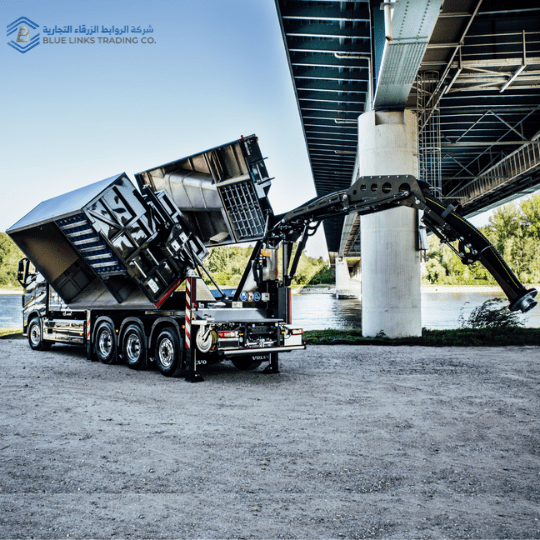
A Vacuum Excavator is a non-destructive excavation system designed to remove soil and debris using controlled airflow instead of mechanical digging tools. Unlike traditional excavation methods that rely on buckets or breakers, this approach minimizes direct contact with buried assets, making it especially suitable for working around underground utilities.
In modern infrastructure projects, excavation is no longer just about speed. It is about precision, safety, and reliability. A vacuum-based system allows operators to expose cables, pipelines, and sensitive infrastructure elements with significantly lower risk of accidental damage, service disruption, or costly repairs.
The concept of vacuum excavation has gained strong adoption in sectors where accuracy is critical, including power networks, telecom corridors, rail projects, and urban infrastructure upgrades. This shift toward non-destructive excavation reflects broader industry priorities around safety, asset protection, and regulatory compliance.
Within the Saudi market, vacuum excavation is increasingly used as part of advanced utility protection strategies, often alongside complementary approaches such as
excavation risk management frameworks that aim to reduce uncertainty before and during ground works.
It is important to distinguish between the general concept of vacuum excavation and specialized equipment categories. While some systems are purpose-built for high-capacity suction tasks, the Vacuum Excavator discussed in this article refers to the broader excavation methodology and technology—focusing on how it works, where it is applied, and why it has become a trusted alternative to traditional excavation in complex environments.
How Vacuum Excavation Works
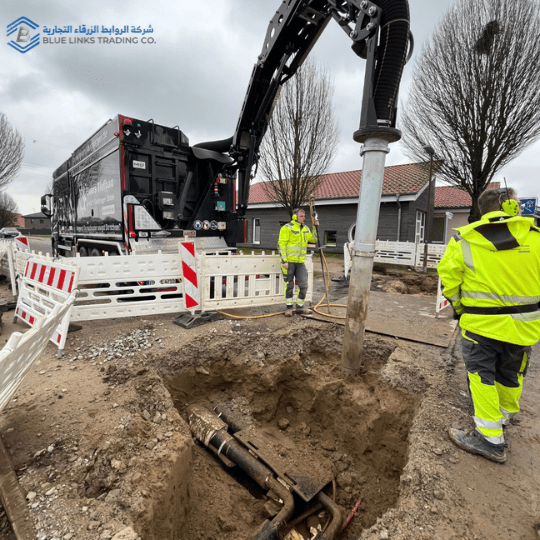
The operation of a Vacuum Excavator is based on a simple but highly controlled principle: removing soil using airflow rather than force. Instead of cutting into the ground mechanically, the system loosens material and transports it safely through a vacuum stream into a sealed tank.
This method allows excavation teams to work with a high level of accuracy, especially in areas where underground utilities are densely packed or poorly documented. The controlled nature of vacuum excavation makes it a preferred solution for projects where safety and precision are non-negotiable.
Airflow, Suction, and Blower System Explained
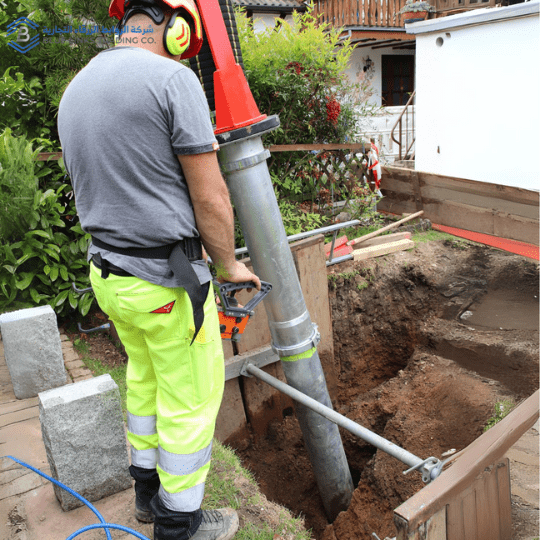
At the core of vacuum excavation technology is a high-performance blower or fan system. This component generates negative pressure inside the excavation unit, creating a powerful airflow capable of lifting soil, sand, and debris through a suction hose.
As material enters the system, it is transported into a debris tank while the air passes through filtration stages before being released back into the environment. This separation process ensures continuous excavation without excessive dust or loss of suction efficiency.
Because the airflow does the work, the Vacuum Excavator minimizes physical stress on underground assets, making it particularly effective when working near buried utilities such as power cables, fiber ducts, and pipelines.
Loosening Soil Without Mechanical Impact
Before material is lifted, the surface soil is gently loosened using air-based tools or low-impact methods. This approach avoids the sudden force associated with traditional excavation equipment and significantly reduces the risk of cutting or crushing hidden infrastructure.
In many utility-focused projects, vacuum excavation is used as part of a broader safe-excavation strategy, especially when combined with techniques such as
non-traditional excavation methods that prioritize asset protection over speed alone.
Dry Vacuum vs Hydro Excavation Systems
Vacuum excavation systems are commonly categorized as dry or hydro-based. Dry vacuum excavation relies purely on airflow, while hydro excavation uses pressurized water to break up soil before vacuuming it.
In dry and sandy soil conditions—common across many regions of Saudi Arabia—dry vacuum systems often provide cleaner and faster results without generating slurry. This makes the Vacuum Excavator particularly suitable for sites where water usage, disposal logistics, or environmental impact must be minimized.
Hydro excavation remains useful in compacted or frozen soils, but it introduces additional considerations related to water management and waste handling. For this reason, many contractors evaluate soil conditions carefully before selecting the most appropriate vacuum excavation approach.
Difference Between Vacuum Excavation and Mechanical Digging
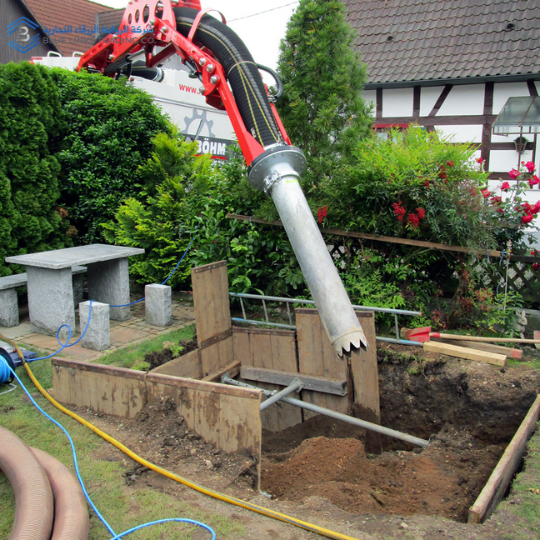
Understanding the difference between vacuum excavation and traditional mechanical digging is essential for selecting the safest excavation method. While both approaches aim to remove soil, the way they interact with the ground and underground utilities is fundamentally different.
A Vacuum Excavator removes material using controlled airflow, whereas mechanical excavation relies on physical force through buckets, breakers, or blades. This distinction has a direct impact on safety, accuracy, and overall project risk.
Mechanical Excavation: Speed With Higher Risk
Traditional excavation equipment is designed to move large volumes of soil quickly. Backhoes, excavators, and trenchers apply direct mechanical force to penetrate the ground, often without precise visibility of what lies beneath the surface.
In environments where underground utilities are shallow, congested, or undocumented, this approach increases the likelihood of damaging buried assets. Even a minor strike can result in service outages, safety incidents, or costly project delays.
For this reason, mechanical digging is increasingly restricted in sensitive zones and is often preceded by safer exposure methods before full excavation begins.
Vacuum Excavation: Control, Precision, and Safety
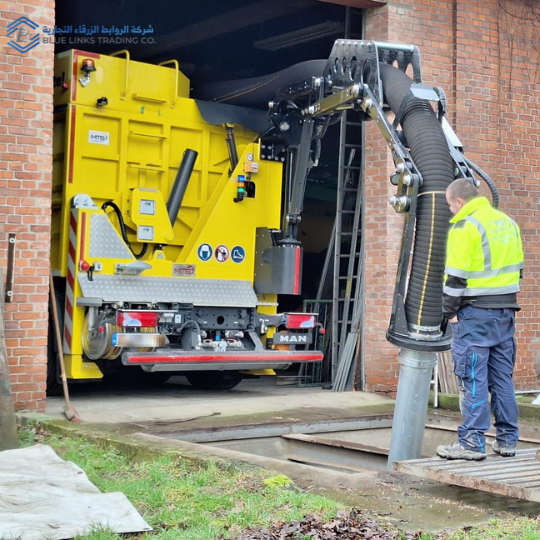
Vacuum excavation focuses on controlled soil removal rather than force. By lifting material gradually, the operator can visually confirm the presence and position of underground utilities as they are exposed.
This makes the Vacuum Excavator especially effective for tasks such as potholing, daylighting, and verification of buried services before mechanical equipment is introduced.
In modern infrastructure projects, vacuum excavation is frequently used as part of an
excavation risk management strategy, helping project teams reduce uncertainty and comply with stricter safety requirements.
Impact on Project Efficiency and Site Disruption
While mechanical excavation may appear faster at first glance, unplanned interruptions caused by utility strikes can significantly slow overall project progress. Repairs, inspections, and coordination with utility owners often outweigh any initial time savings.
Vacuum excavation, by contrast, minimizes disruption by enabling precise excavation in targeted areas only. This reduces unnecessary soil removal, limits surface damage, and allows crews to complete preparatory work more efficiently.
For projects located in urban corridors, rail zones, or active industrial sites, the reduced disruption offered by a Vacuum Excavator often translates into smoother workflows and improved site productivity.
Key Applications of Vacuum Excavators
The use of a Vacuum Excavator extends across multiple sectors where accuracy, safety, and minimal ground disturbance are critical. Rather than replacing traditional excavation entirely, vacuum excavation is typically used in targeted applications where controlled exposure is required.
These applications are especially common in infrastructure projects involving underground utilities, transport corridors, and sensitive urban environments.
Utility and Underground Services Exposure
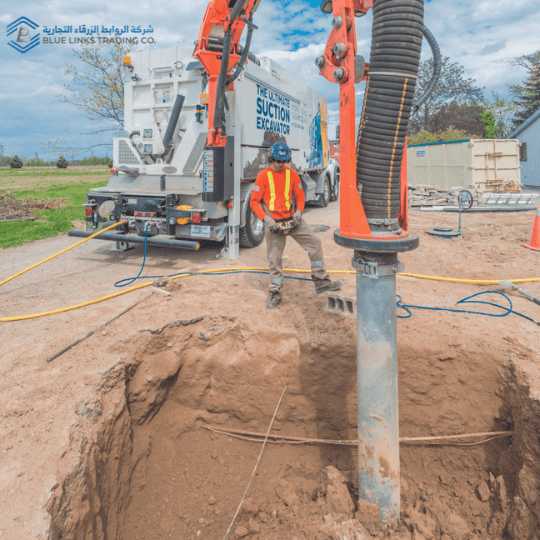
One of the most common uses of vacuum excavation is exposing buried utilities such as power cables, communication lines, and pipelines. This process, often referred to as potholing or daylighting, allows contractors to confirm the exact position and depth of services before any mechanical digging takes place.
Because the soil is removed gradually using airflow, the risk of damaging live assets is significantly reduced. This makes the Vacuum Excavator a preferred solution when working near underground utilities in congested corridors.
In many projects, vacuum excavation is combined with non-destructive methods such as ground-penetrating radar to improve accuracy. Techniques like
integrating GPR with suction excavation demonstrate how detection and controlled exposure work together to enhance safety.
Support for Trenchless and HDD Projects
Vacuum excavation plays an important supporting role in trenchless construction methods, including horizontal directional drilling (HDD). Entry and exit pits for HDD operations often require precise excavation in limited spaces without disturbing nearby infrastructure.
Using a Vacuum Excavator allows contractors to prepare these zones cleanly, reducing the risk of collapse and minimizing surface disruption. This is particularly valuable in projects where trenchless techniques are used to cross roads, railways, or environmentally sensitive areas.
Urban and Restricted Access Worksites
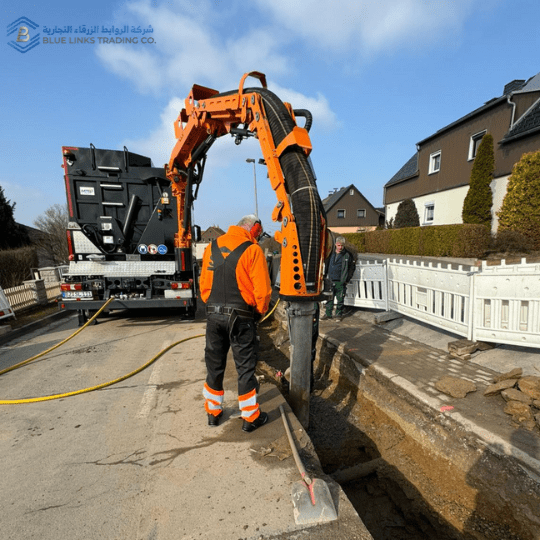
In dense urban environments, excavation is often constrained by narrow streets, nearby buildings, and active pedestrian or vehicle traffic. Traditional excavation equipment may be too large or disruptive for such locations.
Vacuum excavation enables targeted soil removal with a smaller footprint, making it suitable for work in confined spaces. This approach supports modern infrastructure development in cities while maintaining safety and reducing inconvenience to surrounding communities.
These characteristics align closely with broader trends in
non-traditional excavation methods, which prioritize precision and risk reduction over brute force.
Inspection, Maintenance, and Repair Work
Beyond new construction, vacuum excavation is widely used for inspection and maintenance activities. Utility operators rely on it to access existing infrastructure for repairs, upgrades, or condition assessments without disturbing surrounding services.
For contractors responsible for ongoing maintenance, the ability to excavate selectively using a Vacuum Excavator helps reduce downtime and supports safer working conditions for on-site teams.
Safety and Environmental Benefits of Vacuum Excavation
Safety and environmental protection are among the strongest reasons why a Vacuum Excavator is increasingly specified in modern excavation projects. Unlike mechanical digging, vacuum excavation reduces uncertainty by removing soil gradually and with full operator control.
This controlled approach supports safer worksites, protects underground assets, and minimizes the environmental footprint of excavation activities.
Reduced Risk to Underground Utilities
Accidental utility strikes remain one of the most serious risks in excavation work. Damaging power cables, fiber-optic lines, or pipelines can result in outages, safety incidents, and costly project delays.
Because a Vacuum Excavator removes soil without direct mechanical contact, it significantly lowers the likelihood of damaging buried services. This makes vacuum excavation especially valuable in areas where utility records are incomplete or where multiple networks overlap.
Many project teams integrate vacuum excavation into broader safety strategies focused on
excavation risk management, ensuring that exposure work is performed with the lowest possible level of risk.
Improved Worker Safety on Site
Traditional excavation often places workers close to moving machinery, unstable soil, and unknown underground conditions. Vacuum excavation reduces these hazards by limiting the need for manual digging and heavy mechanical tools near exposed utilities.
Operators can control excavation from a safer distance, and the excavation area itself is typically smaller and more stable. This contributes to fewer incidents related to collapses, tool strikes, and unexpected ground movement.
Lower Environmental Impact
From an environmental perspective, vacuum excavation minimizes surface disturbance by restricting excavation to only the required area. This reduces damage to surrounding soil structures, landscaping, and existing infrastructure.
Dust generation is also lower compared with conventional excavation methods, particularly when appropriate filtration systems are used. In sensitive environments, this helps maintain air quality and reduces cleanup requirements.
Cleaner and More Controlled Excavation Process
Another advantage of vacuum excavation is the controlled handling of excavated material. Soil and debris are collected directly into a sealed tank, rather than being piled around the excavation site.
This containment simplifies material management, limits contamination, and allows for safer disposal or reuse where appropriate. As a result, a Vacuum Excavator supports cleaner job sites and more predictable project outcomes.
Alignment With Modern Safety and Sustainability Standards
As infrastructure projects become more complex, safety and environmental compliance requirements continue to increase. Vacuum excavation aligns well with these expectations by supporting non-destructive excavation practices that prioritize asset protection and workforce safety.
In many regions, including Saudi Arabia, such approaches are increasingly associated with best practices for infrastructure development, particularly in projects involving utilities, transport networks, and urban expansion.
Vacuum Excavator vs Suction Excavator
In technical discussions, the terms vacuum excavator and suction excavator are sometimes used interchangeably. However, from an engineering and operational perspective, they represent related but distinct approaches within non-destructive excavation.
Understanding the difference helps project teams select the correct excavation method without confusing educational concepts with specific equipment solutions.
Vacuum Excavation as a General Technology
Vacuum excavation refers to the broader excavation method that uses airflow to remove soil and debris. It describes the process rather than a specific machine configuration.
In this context, a Vacuum Excavator represents any excavation system designed to expose underground utilities by suction instead of mechanical force. The emphasis is on safety, precision, and controlled soil removal.
Suction Excavator as a Specialized Application
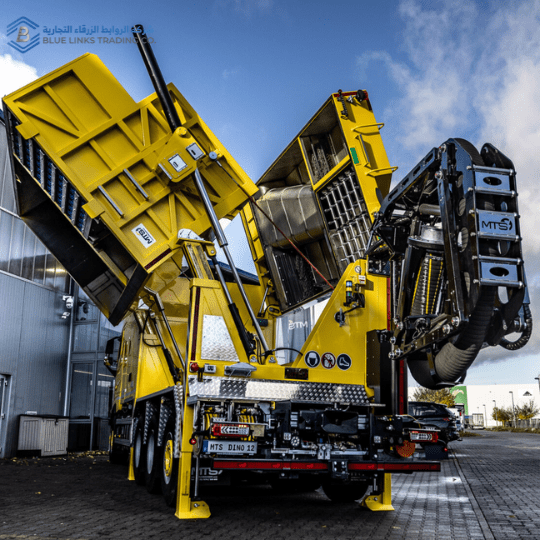
A suction excavator is typically a more specialized form of vacuum excavation equipment. It is engineered for higher airflow capacity, longer reach, and more demanding excavation conditions.
While vacuum excavation can be performed using different configurations, suction excavators are commonly deployed in complex utility corridors and infrastructure projects that require deeper excavation or greater material handling capability.
For readers seeking a technical overview of how suction-based systems are applied in large-scale projects, a high-level reference can be found in the overview of
suction excavator technology in Saudi Arabia, which explains where this approach fits within modern excavation practices.
Key Conceptual Differences
The main distinction lies in how the terms are used:
Vacuum excavation describes the excavation methodology, focusing on non-destructive soil removal using airflow.
Suction excavation generally refers to purpose-built equipment optimized for that method, often used in more demanding or industrial-scale environments.
Why This Distinction Matters
Separating these concepts helps prevent confusion when planning excavation work. It allows engineers and contractors to discuss excavation strategy first, before evaluating specific equipment types or suppliers.
From a planning perspective, this clarity supports better decision-making and helps align excavation methods with safety requirements, environmental constraints, and project complexity.
Avoiding Misuse of Terminology
In technical documentation and training materials, using precise terminology improves communication between engineers, operators, and project stakeholders.
By treating vacuum excavation as the overarching method and suction excavation as a specialized implementation, project teams can maintain consistency and reduce misunderstandings during project execution.
When Vacuum Excavation Is the Right Choice
Choosing the correct excavation method depends on more than speed or equipment availability. In many modern infrastructure environments, the deciding factors are safety, precision, and risk control.
A Vacuum Excavator becomes the preferred solution when traditional mechanical digging introduces unacceptable uncertainty around buried assets or soil stability.
Working Around Unknown or Congested Utilities
In older urban areas or rapidly expanded utility corridors, documentation may be incomplete or outdated. Mechanical excavation in such environments carries a high risk of striking live services.
Vacuum excavation allows operators to gradually remove soil and visually confirm the position of underground utilities before any physical contact occurs. This makes it especially effective for exposing power cables, telecom ducts, and mixed-service corridors.
For infrastructure planners focused on reducing excavation-related incidents, risk-based frameworks such as those outlined in excavation risk management practices
help define when non-destructive methods should be applied.
Projects With Strict Safety and Compliance Requirements
Many infrastructure owners now require non-destructive excavation methods as part of their safety policies. This is particularly common in rail, metro, and energy projects where service interruption or asset damage can have wide-reaching consequences.
Using a Vacuum Excavator supports compliance with modern excavation standards by reducing direct tool-to-asset interaction and limiting the excavation footprint.
Limited Access and Sensitive Environments
Vacuum excavation is well suited to sites where access is restricted, such as narrow streets, industrial plants, or active facilities. The ability to excavate vertically with minimal surface disruption makes it easier to work around existing structures.
This approach is also advantageous in environmentally sensitive areas where noise, vibration, and soil displacement must be kept to a minimum.
Supporting Trenchless and HDD Operations
In trenchless construction and horizontal directional drilling (HDD), precise entry and exit pits are critical. Vacuum excavation allows these pits to be created accurately without destabilizing surrounding soil.
By controlling spoil removal and maintaining clean excavation zones, vacuum-based methods improve alignment accuracy and reduce the need for corrective work during drilling operations.
Balancing Productivity With Risk Reduction
While mechanical excavation may appear faster in open areas, delays caused by utility strikes, rework, or safety incidents often outweigh initial time savings.
In contrast, a Vacuum Excavator supports predictable progress by minimizing interruptions and enabling crews to work confidently around critical underground assets.
The Role of Vacuum Excavation in Modern Infrastructure
As infrastructure networks become more complex, excavation methods must evolve to match higher safety, reliability, and coordination standards. Power grids, fiber-optic corridors, transport systems, and industrial facilities now depend on precise underground work with minimal tolerance for error.
Within this context, the Vacuum Excavator has emerged as a critical tool for enabling controlled excavation without compromising existing assets or surrounding operations.
Supporting Utility Protection in Expanding Networks
Modern infrastructure projects often involve overlapping utility systems installed over multiple development phases. Power cables, telecom lines, water pipelines, and control conduits may share limited underground space.
Vacuum excavation allows engineers to expose and verify these systems safely before upgrades, relocations, or maintenance work begins. This reduces dependency on assumptions and outdated drawings, which are common causes of excavation-related incidents.
As a result, vacuum-based excavation methods are increasingly integrated into planning standards for utility-intensive environments.
Reducing Risk in Large-Scale and Mega Projects
Mega projects place exceptional pressure on schedules, budgets, and safety performance. Any unexpected interruption—such as a damaged utility—can cascade into major delays and contractual penalties.
By enabling early-stage exposure and verification of underground assets, a Vacuum Excavator helps project teams identify constraints before heavy excavation or construction activities begin.
This proactive approach aligns with modern project delivery models that prioritize risk mitigation during the early phases of execution.
Enhancing Coordination Between Engineering Disciplines
Infrastructure delivery increasingly depends on coordination between civil, electrical, mechanical, and communications teams. Accurate knowledge of underground conditions is essential for effective collaboration.
Vacuum excavation supports this coordination by providing clean, well-defined access points where multiple disciplines can inspect and assess buried services together.
This shared visibility reduces misalignment between teams and supports more informed engineering decisions on site.
Aligning With Sustainability and Asset Longevity Goals
Minimizing unnecessary excavation reduces material waste, restoration work, and environmental impact. Controlled soil removal also preserves the integrity of surrounding ground and installed utilities.
By limiting disruption and extending the service life of underground assets, vacuum excavation contributes to more sustainable infrastructure development over the long term.
In this way, the Vacuum Excavator is not just a tool for excavation—it is part of a broader shift toward safer, more resilient infrastructure practices.
🟦 Frequently Asked Questions (FAQ)
⚡🚧 Work With a Suction Excavation Specialist in Saudi Arabia
Applying vacuum excavation techniques in real-world infrastructure environments requires more than equipment alone. It demands technical understanding, local experience, and the ability to work safely around critical underground utilities— especially within national programs focused on resilient infrastructure and digital
development such as the Saudi Vision 2030 – Digital Transformation Program
.Blue Links Trading Co. supports infrastructure, utility, and industrial projects by combining proven suction excavation expertise with engineering guidance tailored to Saudi conditions—from planning and verification stages through to controlled on-site execution.
With Blue Links Trading Co.,
organizations gain a long-term technical partner
experienced in utility-safe excavation, risk-sensitive projects,
and controlled exposure of underground assets across Saudi Arabia.
Blue Links Trading Co. — supporting modern infrastructure through
precision excavation, safety, and engineering clarity.