
Non Destructive Excavation in Saudi Airports: A Safer Way to Build
The Strategic Importance of Airports in Saudi Arabia
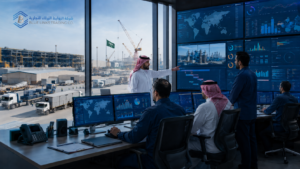
Airports in the Kingdom of Saudi Arabia are no longer limited to being transportation hubs. They are critical national assets that support economic growth, global connectivity, tourism expansion, and logistics efficiency. With the rapid development of international airports and the continuous expansion of existing terminals, runways, and support facilities, infrastructure work within airport boundaries has become more frequent—and far more sensitive.
Every construction or maintenance activity inside an operational airport must meet exceptionally strict standards. Underground works, in particular, represent one of the highest-risk phases of any airport project. Beneath taxiways, aprons, and terminal areas lie dense networks of power lines, telecom systems, drainage networks, fuel lines, and data infrastructure that cannot tolerate accidental damage or operational disruption.
This reality has placed Non Destructive Excavation in Saudi Airports at the center of modern airport engineering strategies. Unlike traditional excavation methods that rely on mechanical force and guesswork, non-destructive approaches prioritize precision, visibility, and control—qualities that are essential in environments where safety margins are extremely narrow.
Saudi airport authorities, project engineers, and specialized contractors increasingly recognize that excavation is not merely a construction task but an operational decision that directly affects safety, compliance, and continuity. Any delay caused by damaged utilities or unexpected shutdowns can lead to cascading operational consequences, including flight delays, safety investigations, and reputational impact.
This is why airport projects now rely on excavation methods that align with broader infrastructure planning, asset protection, and lifecycle efficiency. Technologies associated with non-traditional excavation in Saudi Arabia have become a preferred foundation for working within high-risk zones such as live airports, where accuracy matters more than speed alone.
Understanding the role of Non Destructive Excavation in Saudi Airports requires first recognizing the operational sensitivity of these environments. Only then does the engineering logic behind abandoning traditional digging methods become clear—a shift driven not by preference, but by necessity.
Real Excavation Challenges Inside Airport Environments
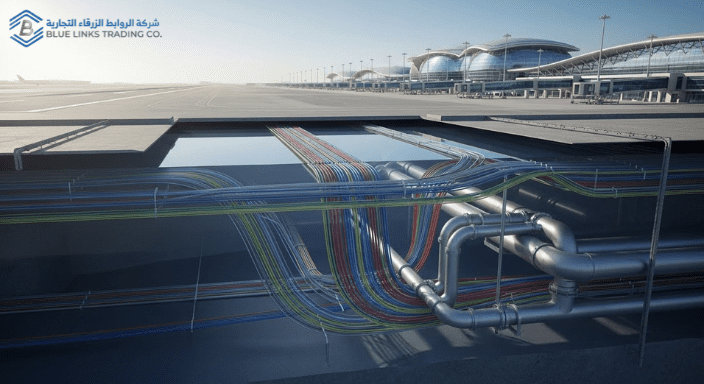
Excavation activities inside active airports present a set of challenges that go far beyond conventional construction sites. Unlike open infrastructure zones, airport environments operate under continuous pressure where safety, timing, and system integrity are non-negotiable. Any ground intervention must be executed with absolute certainty about what lies beneath the surface.
One of the most critical risks is the presence of densely packed underground utilities. Electrical systems, fiber-optic communication lines, navigation aids, fuel pipelines, and drainage networks often intersect within limited underground corridors. Traditional excavation methods rely heavily on mechanical force, which significantly increases the probability of accidental strikes, service interruptions, and costly emergency repairs.
In the context of Non Destructive Excavation in Saudi Airports, these risks are amplified by strict regulatory requirements and zero-tolerance safety policies. Even minor utility damage can trigger operational shutdowns, delay flight schedules, and initiate extensive compliance investigations. For airport operators, the cost of such disruptions often exceeds the cost of the excavation work itself.
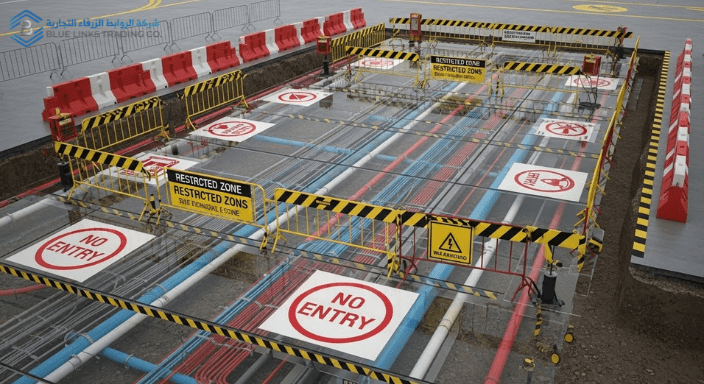
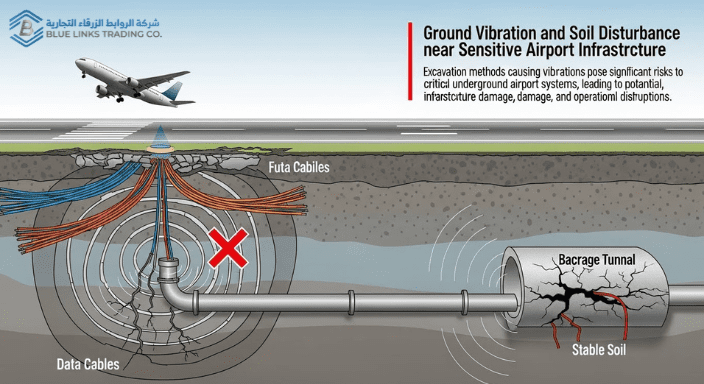
Another major challenge lies in restricted working zones. Excavation is frequently required near runways, taxiways, terminal foundations, and service corridors where access is limited and heavy machinery movement is tightly controlled. Noise restrictions, vibration limits, and environmental compliance further reduce the margin for error.
Operational continuity adds another layer of complexity. Airports cannot simply pause operations to accommodate excavation activities. Work must often be performed during narrow time windows, overnight shifts, or phased schedules that demand highly predictable and controllable excavation techniques.
These challenges explain why airport projects increasingly move away from force-based digging toward precision-driven solutions. Technologies associated with vacuum excavation equipment in Saudi Arabia enable engineers to expose underground assets safely while maintaining full control over material removal, visibility, and site cleanliness.
Addressing excavation challenges in airports is no longer about working faster—it is about working smarter. This shift sets the stage for understanding why conventional excavation methods consistently fail to meet the operational demands of modern Saudi airports.
Why Traditional Excavation Methods Fail in Airports
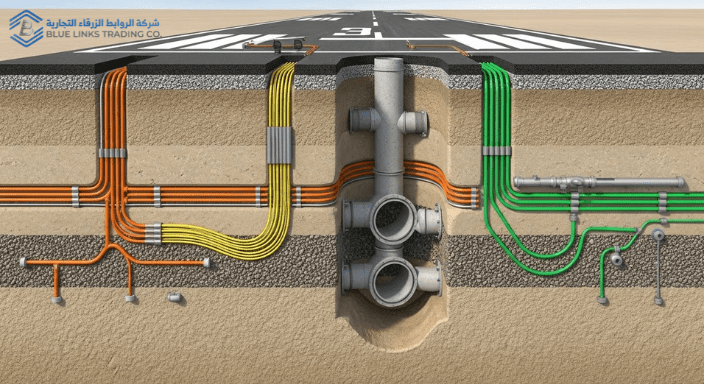
Traditional excavation methods were designed for open construction environments where visibility is limited, tolerances are wider, and the consequences of error are often manageable. Airports, however, represent the exact opposite of these conditions. When mechanical digging is introduced into a live airport environment, the margin for error collapses almost entirely.
Mechanical excavation relies on force, penetration, and material displacement without real-time visibility of underground assets. Even with updated drawings or prior surveys, subsurface conditions often differ from documentation due to historical modifications, undocumented installations, or aging infrastructure. In airport settings, this uncertainty transforms mechanical excavation into a high-risk operation.
Independent aviation infrastructure studies consistently highlight that mechanical excavation methods carry elevated operational risks in live airport environments, particularly when working near critical underground systems, as documented in international aviation infrastructure reports focused on safety, asset protection, and operational continuity.
Within the framework of Non Destructive Excavation in Saudi Airports, traditional methods fail primarily because they cannot provide controlled exposure. Buckets, breakers, and augers apply pressure blindly, increasing the likelihood of damaging sensitive systems such as power feeds, communication cables, or fuel-related infrastructure that demand absolute protection.
Vibration is another critical limitation. Mechanical excavation generates ground movement that can compromise nearby structures, affect runway sublayers, or interfere with precision-installed systems beneath operational surfaces. Airports impose strict vibration thresholds that traditional excavation equipment struggles to respect consistently.
Operational predictability is equally problematic. Mechanical digging often requires corrective actions once obstacles are encountered, leading to unplanned stoppages, rework, or emergency interventions. In airports, where excavation windows are tightly scheduled, such unpredictability directly conflicts with operational continuity requirements.
These shortcomings explain why airports increasingly abandon force-based digging in favor of methods built around control, visibility, and precision. Approaches associated with hydro excavation and suction excavation allow engineers to remove material selectively, adapt instantly to subsurface conditions, and expose utilities without introducing mechanical stress.
The failure of traditional excavation methods in airport environments is not a matter of efficiency—it is a matter of compatibility. Airports demand excavation solutions that operate with surgical precision, setting the stage for technologies specifically engineered for non-destructive performance.
Where MTS Suction Excavators Become Essential
Once the limitations of traditional excavation methods are fully understood, the engineering logic behind suction-based solutions becomes clear. In airport environments, excavation is not about removing soil quickly—it is about exposing underground assets with absolute control. This is where MTS suction excavators transition from being an alternative option to becoming an operational necessity.
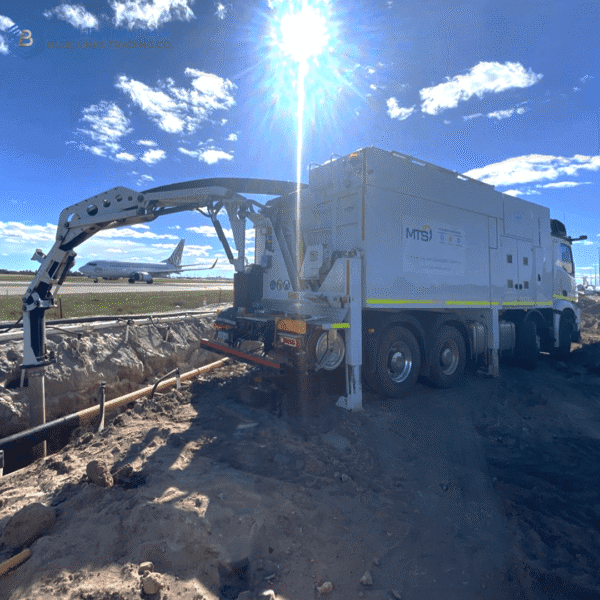
At the core of Non Destructive Excavation in Saudi Airports lies the principle of controlled material removal. Instead of relying on force or penetration, suction excavation uses high-powered airflow to loosen and extract soil gradually. This process allows operators to visually identify utilities as they are exposed, significantly reducing the risk of accidental damage.
MTS suction excavators are specifically engineered to operate without mechanical contact with underground systems. This capability is critical when working near live electrical cables, fiber-optic networks, fuel lines, and sensitive airport infrastructure where even minor contact can trigger serious operational consequences.
Precision is another defining advantage. Suction excavation enables targeted removal of material in confined areas without disturbing surrounding soil. In airports, where excavation often occurs near foundations, pavements, and operational surfaces, maintaining ground stability is just as important as protecting utilities.
Operational control further differentiates MTS systems. Adjustable suction power, controlled hose positioning, and real-time operator visibility allow excavation teams to adapt instantly to changing subsurface conditions. This flexibility is essential when working within strict airport time windows and under continuous operational oversight.
These characteristics explain why airport projects increasingly depend on equipment specifically designed for non-destructive performance. Advanced solutions such as MTS DINO suction excavators provide the reliability, precision, and safety margins required to execute excavation tasks inside live airport environments without compromising operations.
Understanding where MTS suction excavators become essential naturally leads to a deeper examination of the technologies that enable their performance. These systems are not defined by a single feature, but by an integrated set of engineering solutions tailored for sensitive infrastructure.
MTS Technologies Designed for Airport Excavation
The effectiveness of suction excavation in airport environments is not the result of a single component, but rather a combination of integrated technologies engineered to operate under extreme precision and safety requirements. In the context of Non Destructive Excavation in Saudi Airports, these technologies form a system that prioritizes control, visibility, and operational reliability.
One of the most critical performance factors is suction power. MTS systems deliver suction forces exceeding 130 kg, enabling the removal of compacted soil, sand, and mixed materials commonly found beneath airport pavements. This level of suction allows excavation to progress efficiently while maintaining complete control over material extraction.
Fan configurations play a decisive role in adapting to different airport scenarios. Dual fan systems provide balanced performance for standard excavation tasks, while triple fan and MegaVac configurations support extended distances and deeper excavation without compromising airflow stability. This flexibility is essential when access points are limited or when excavation must be performed away from the excavation source.
Material separation and filtration technologies further enhance operational safety. Advanced filtering systems ensure that fine particles, dust, and debris are efficiently managed, maintaining clear visibility at the excavation point and protecting internal components. Clean operation is especially critical within airports, where environmental and safety standards are strictly enforced.
Hose management and articulation systems such as POWERARM and EVOARM allow precise positioning of the suction hose with minimal ground disturbance. These articulated arms provide controlled reach and maneuverability in confined spaces, enabling excavation near foundations, service corridors, and sensitive structures without introducing unnecessary vibration or stress.
The integration of these technologies transforms suction excavation from a simple digging method into a controlled engineering process. Detailed insights into equipment design and operational capabilities can be found through the MTS suction excavator guide, which outlines how these systems are optimized for complex infrastructure environments.
Together, these technologies create the technical foundation that allows suction excavation to function reliably within live airports. Understanding their capabilities also clarifies why specific MTS models are better suited for certain airport applications than others.
Best-Suited MTS Models for Airport Applications
Not every excavation task inside an airport requires the same capacity, reach, or suction configuration. Airport projects vary widely—ranging from utility exposure near terminals to deeper interventions along service corridors and extended-distance work in restricted zones. Selecting the right machine is therefore a critical part of achieving Non Destructive Excavation in Saudi Airports with consistent safety and operational predictability.
For medium-duty airport requirements—such as exposing telecom lines, shallow power routes, or drainage connections in controlled areas—compact-to-mid capacity machines provide an ideal balance of maneuverability and performance. These tasks often demand precise excavation within narrow work zones where access and movement are limited.
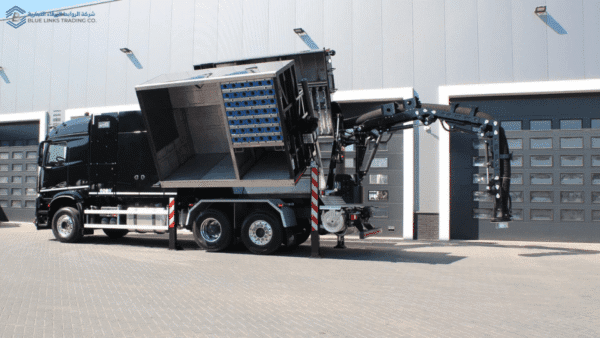
When airports require higher loading capacity and longer continuous operation—especially in projects involving larger utility corridors, service network renewals, or phased expansions—higher-capacity configurations become essential. The advantage is not only the ability to remove more material, but also to reduce interruptions caused by frequent unloading, which helps protect tight airport work schedules.
For scenarios that involve greater depth or extended distances from the excavation point—common in restricted airside areas where equipment positioning is constrained—multi-fan configurations provide the airflow stability needed to maintain suction performance without sacrificing control. This is particularly valuable when excavation must be executed in zones where repositioning equipment is not always feasible.
In heavy-duty airport use cases—such as large-scale material removal, major infrastructure interventions, or complex subsurface conditions—MegaVac-class systems deliver the highest airflow capacity and operational endurance. These configurations are best suited for demanding projects where performance must remain stable across longer distances and larger volumes.
To align model selection with real airport requirements, it is essential to evaluate capacity, fan configuration, hose control, and maneuverability as one integrated decision. A structured overview of available options can be found in DINO excavator models, which helps match each configuration to operational needs without relying on assumptions or generic recommendations.
With model selection clarified, the next step is to translate capability into reality—by walking through a realistic airport use case that demonstrates how suction excavation reduces risk, protects operations, and delivers measurable on-site confidence.
A Real-World Airport Use Case
To understand how Non Destructive Excavation in Saudi Airports works in practice, it is useful to examine a realistic operational scenario commonly encountered during airport maintenance and expansion projects.
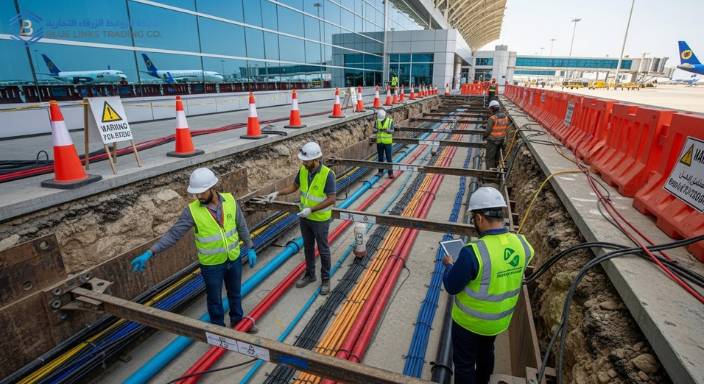
In this case, excavation was required near an active terminal service corridor to expose underground power and communication lines as part of a scheduled infrastructure upgrade. The work zone was located adjacent to operational facilities, with strict limitations on access, noise, vibration, and allowable working hours.
The primary challenge was visibility. Existing drawings indicated the presence of multiple utility lines, but their exact depth and alignment could not be fully confirmed without exposure. Using traditional mechanical excavation would have introduced unacceptable risk, including potential cable damage and unplanned service disruption.
A suction excavation approach was selected to allow controlled exposure of the underground utilities. The excavation process progressed gradually, with material removed layer by layer while operators maintained continuous visual confirmation of subsurface conditions. This method ensured that utilities were identified early and protected throughout the operation.
As excavation continued, adjustments were made in real time based on soil conditions and utility positioning. The absence of mechanical contact eliminated vibration concerns and allowed work to proceed within the permitted operational window without triggering safety or compliance issues.
The result was a clean, well-defined excavation area with all utilities fully exposed and intact. The task was completed without operational disruption, emergency interventions, or follow-up repairs. This outcome reinforced the value of suction excavation as a predictable and risk-controlled solution for sensitive airport environments.
Such outcomes are increasingly achievable when excavation planning is supported by experienced operators trained specifically for suction-based methods. The role of a qualified suction excavator operator in Saudi Arabia is critical in translating equipment capability into safe, consistent results on site.
This practical example demonstrates that non-destructive excavation is not a theoretical concept—it is a proven operational strategy that aligns with the realities of live airport infrastructure.
Why Choose Blue Links Trading Company
Executing Non Destructive Excavation in Saudi Airports successfully requires more than advanced equipment. It depends on deep sector understanding, precise technical selection, and the ability to align excavation solutions with the operational realities of airport environments. This is where experience and specialization become decisive.
Blue Links Trading Company operates at the intersection of industrial procurement, technical expertise, and local market knowledge. Rather than offering generic equipment solutions, the company focuses on matching excavation technologies to specific operational challenges within high-risk sectors such as aviation infrastructure.
Airport projects demand absolute reliability—not only from machines, but from the supply chain, technical support, and after-sales readiness that stand behind them. Delays caused by unavailable parts, improper configuration, or insufficient technical guidance can compromise both safety and project timelines.
By working closely with global technology providers and maintaining strong local technical capabilities, Blue Links ensures that suction excavation systems are delivered, configured, and supported according to the strict requirements of airport operations. This approach minimizes operational uncertainty and supports long-term asset performance.
Equally important is the company’s understanding of regulatory frameworks, safety expectations, and execution standards within the Saudi aviation sector. This local insight allows excavation solutions to be deployed in compliance with operational policies rather than adapted after issues arise.
For organizations seeking dependable execution rather than theoretical capability, Blue Links Trading Company represents a technical partner focused on delivering controlled, non-destructive excavation solutions that align with the realities of live airport environments.
With the role of the solution provider clearly defined, the remaining questions often relate to practical concerns—how suction excavation works in specific conditions, when it should be used, and what limitations to consider. These are best addressed through targeted, experience-driven answers.
🟦 Frequently Asked Questions (FAQ)
Conclusion: Building Safely Without Disrupting Operations
Airport infrastructure development in Saudi Arabia continues to accelerate, driven by expansion programs, modernization initiatives, and rising operational demands. Within this context, excavation is no longer a routine construction task—it is a critical operational decision that directly influences safety, compliance, and continuity.
Non Destructive Excavation in Saudi Airports represents a shift toward controlled, precision-based engineering. By eliminating mechanical contact, reducing vibration, and providing full visibility of underground assets, suction excavation aligns excavation practices with the realities of live airport environments.
The growing reliance on non-destructive methods reflects a broader understanding within the aviation sector: protecting infrastructure is as important as building it. Projects that prioritize accuracy and risk reduction are better positioned to meet regulatory expectations and operational objectives without compromise.
Organizations seeking to implement safe, predictable excavation strategies within airports benefit most from working with partners who understand both the technology and the local operational landscape. Insight into equipment selection, execution planning, and long-term support is essential for success.
For decision-makers evaluating advanced excavation solutions, further perspective on technical capabilities and implementation approaches can be explored through MTS suction excavation systems, which are designed specifically for high-risk, sensitive infrastructure environments.
✈️⚙️ Partner with Specialists in Airport-Safe Excavation
Implementing Non Destructive Excavation in Saudi Airports goes far beyond choosing advanced
equipment. Successful deployment depends on operational planning, regulatory awareness, and experience
working within live aviation environments where safety and continuity cannot be compromised.
Blue Links Trading Company supports airport operators, contractors, and infrastructure developers
by supplying MTS suction excavation solutions combined with application-focused guidance
and deep knowledge of the Saudi aviation and infrastructure landscape.
With Blue Links Trading Company, organizations partner with
a trusted MTS specialist experienced in airport-safe excavation, risk-controlled
operations, and precision-focused deployment across Saudi Arabia’s most sensitive infrastructure projects.
Blue Links Trading Company — enabling airport excavation with engineering confidence,
operational clarity, and long-term value.