

Suction Excavation in the Saudi Oil and Gas Sector
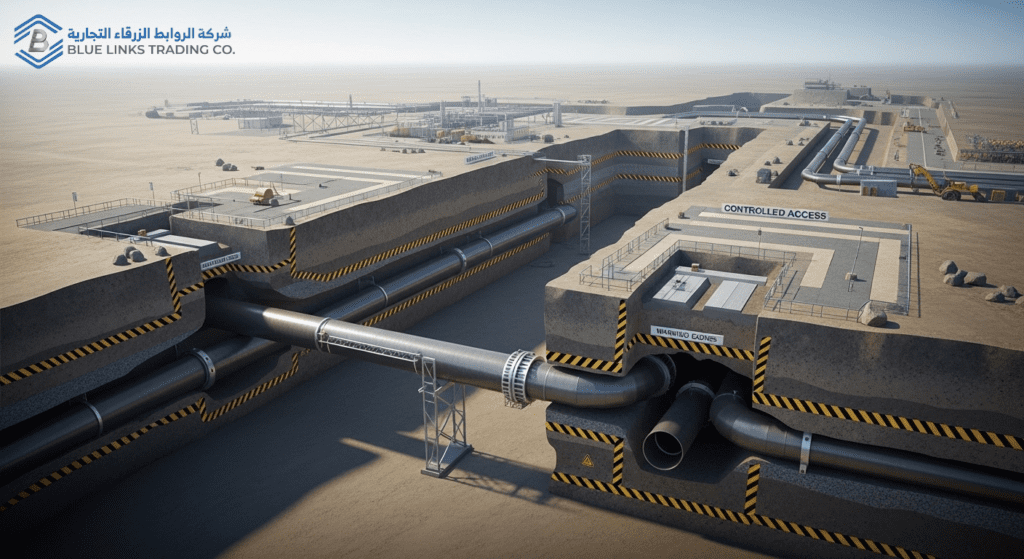
Introduction: Why Excavation in Saudi Oil & Gas Is High-Risk
In Saudi Arabia’s oil, gas, and energy environments, excavation is rarely a “routine” civil task. It happens under strict controls—often near live pipelines, buried valves, power feeds, instrumentation lines, and legacy utilities that may not be perfectly mapped. One wrong strike can escalate from a repair job into a shutdown event, environmental exposure, or a safety incident—especially where hydrocarbons, pressurized systems, and hazardous-area rules shape every permit and every step.
That is why many operators and contractors now treat the excavation method itself as a risk-control decision, not a tooling preference. The shift toward Suction Excavation in Oil and Gas Sector work is driven by a simple operational reality: the closer you get to critical buried assets, the less tolerance you have for vibration, aggressive mechanical contact, and uncontrolled spoil handling. The goal becomes precision exposure—removing soil without “touching” what you are trying to protect.
In this context, an MTS suction excavator functions as a controlled excavation system rather than a traditional digger. It enables careful soil removal around sensitive underground assets while supporting safer working distances and cleaner site control—key advantages in facilities where access is constrained, work windows are tight, and approvals may depend on demonstrable risk reduction.
This operational direction aligns with a broader national emphasis on safer, more efficient infrastructure execution and industrial performance, reflected in long-term modernization programs such as Saudi Vision 2030. :contentReference[oaicite:0]{index=0}
In the next section, we will pinpoint where conventional excavation typically breaks down inside oil and gas sites—and why those failure points make non-destructive methods the practical choice, not an optional upgrade.
Where Traditional Excavation Breaks Down in Oil & Gas Sites
Within upstream and downstream oil and gas facilities, conventional excavation methods often become a source of risk rather than productivity. Mechanical digging tools were designed for open civil environments, not for congested, safety-critical zones where underground assets remain live throughout the work window. This mismatch is one of the main drivers behind the growing reliance on Suction Excavation in Oil and Gas Sector projects.
Risk of Striking Live Pipelines and Buried Assets
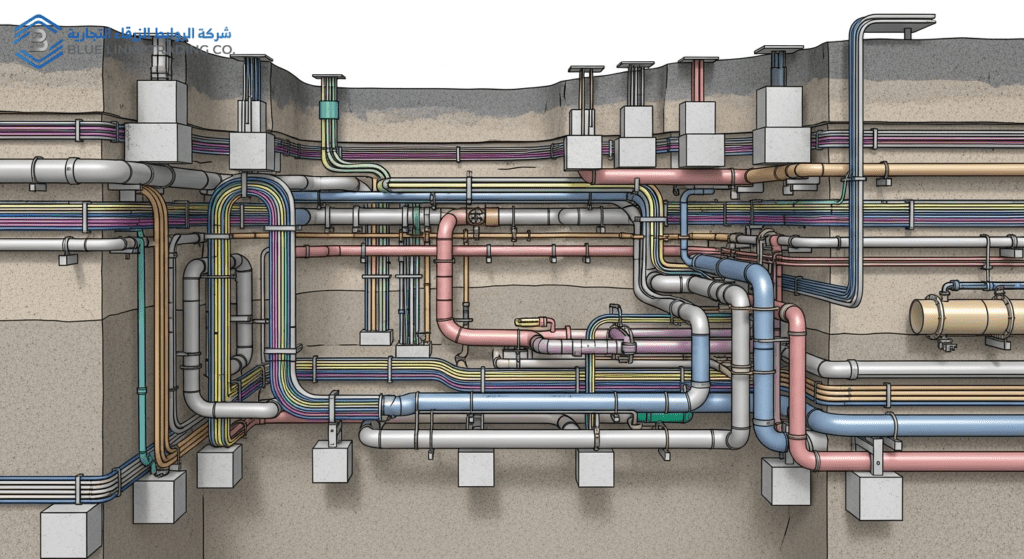
One of the most critical failure points of traditional excavation is the inability to control soil removal with sufficient precision. Buckets, breakers, and augers operate with direct mechanical force, which significantly increases the probability of damaging steel pipelines, composite lines, fiber-optic cables, or legacy utilities whose exact depth may differ from drawings.
In oil and gas environments, a single contact event can trigger emergency shutdowns, pressure releases, or environmental containment procedures. This is why excavation planning increasingly integrates formal excavation risk management strategies, where the excavation method itself is selected as a preventive control rather than a reactive measure.
Vibration, Sparks, and Noise in Hazardous Zones
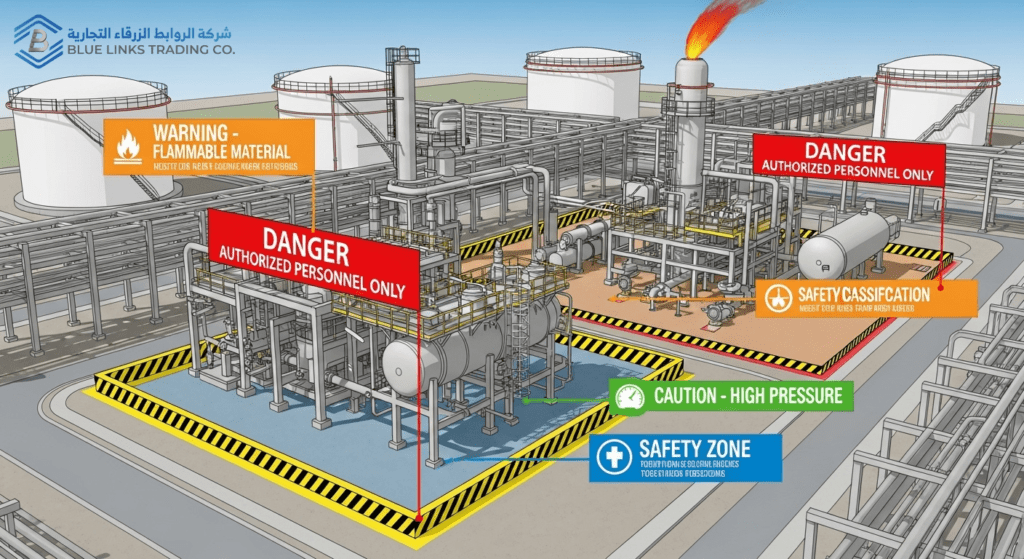
Traditional excavation equipment generates continuous vibration and, in some cases, sparks or excessive noise—factors that conflict directly with hazardous-area classifications common in oil and gas facilities. These effects are not only a safety concern but also a compliance challenge, often requiring additional permits, monitoring, and work stoppages.
By contrast, Suction Excavation in Oil and Gas Sector operations rely on airflow rather than impact force. A vacuum excavator removes soil without introducing kinetic energy into the ground, reducing the likelihood of ignition sources and allowing work to proceed under stricter safety envelopes.
Operational Delays Caused by Permits and Shutdown Requirements
Because mechanical excavation elevates risk levels, operators are often forced to impose partial shutdowns, isolate systems, or restrict work hours. These controls protect assets—but they also slow execution, extend project timelines, and increase indirect costs.
In many Saudi projects, international safety guidance and asset-protection principles—such as those promoted by organizations like ISO—encourage minimizing intrusive activities around live infrastructure. This operational logic supports the shift toward non-destructive methods that allow exposure and inspection without triggering full operational interruptions.
Understanding these breakdown points explains why suction-based solutions are no longer viewed as niche tools. In the next section, we will examine how MTS suction excavators directly address these challenges and redefine excavation as a controlled, non-contact process tailored for oil and gas operations.
The Role of MTS Suction Excavator as a Practical On-Site Solution
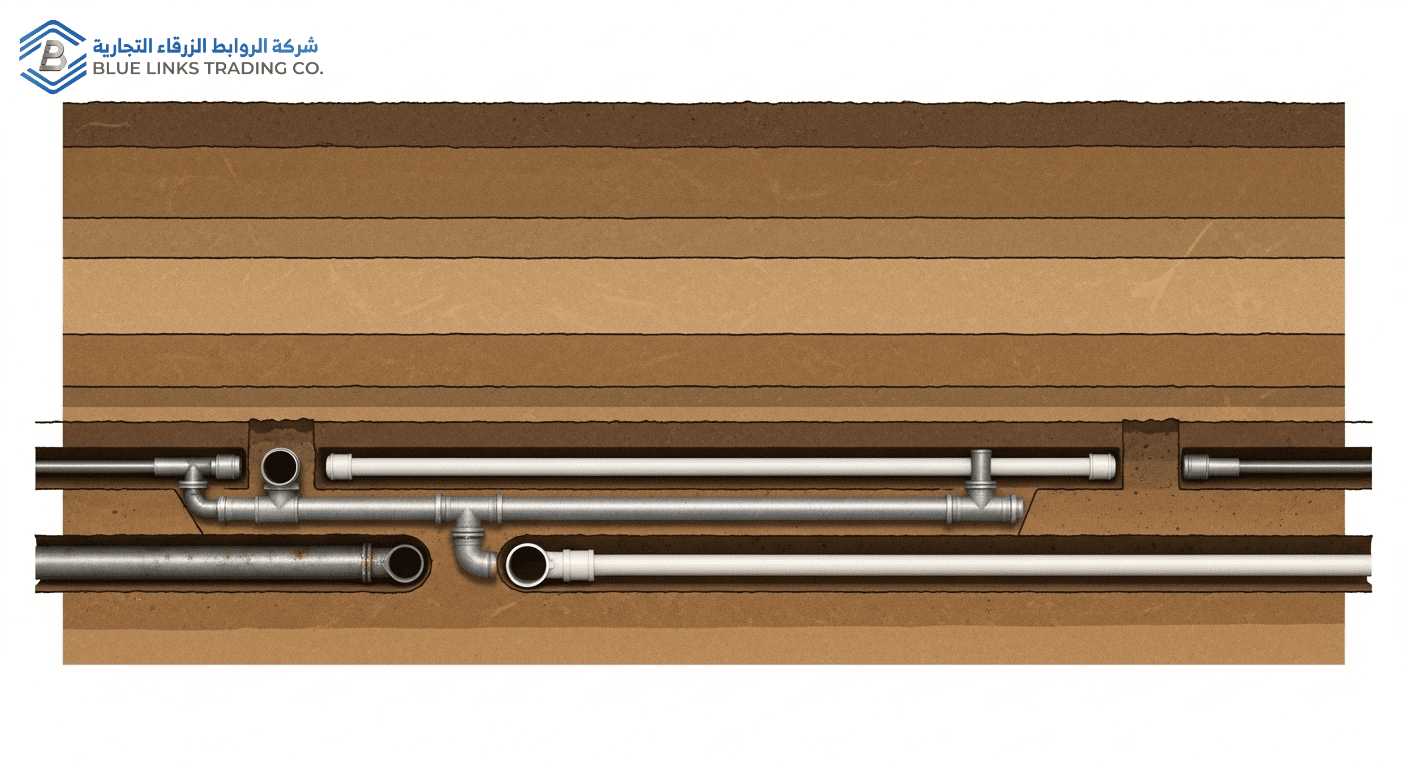
When excavation takes place inside operating oil and gas facilities, the objective is no longer speed alone—it is controlled exposure with minimal disruption. This is where Suction Excavation in Oil and Gas Sector applications redefine how excavation is planned and executed. Instead of treating buried assets as obstacles to work around, suction-based systems allow teams to reveal infrastructure deliberately, layer by layer, without mechanical contact.
Non-Destructive Excavation as an Operational Fit for Energy Sites
Non-destructive excavation focuses on removing soil while preserving the integrity of everything beneath it. In oil and gas environments, this approach aligns directly with operational safety philosophies that prioritize asset protection and hazard prevention over aggressive productivity gains.
An MTS DINO suction excavator operates using high-capacity airflow rather than cutting force. This allows excavation crews to work closer to live pipelines, manifolds, and control cables with significantly lower risk profiles. For operators, this translates into greater confidence during inspections, tie-ins, and maintenance activities where traditional digging would be restricted or prohibited.
Improving Precision and Asset Visibility During Excavation
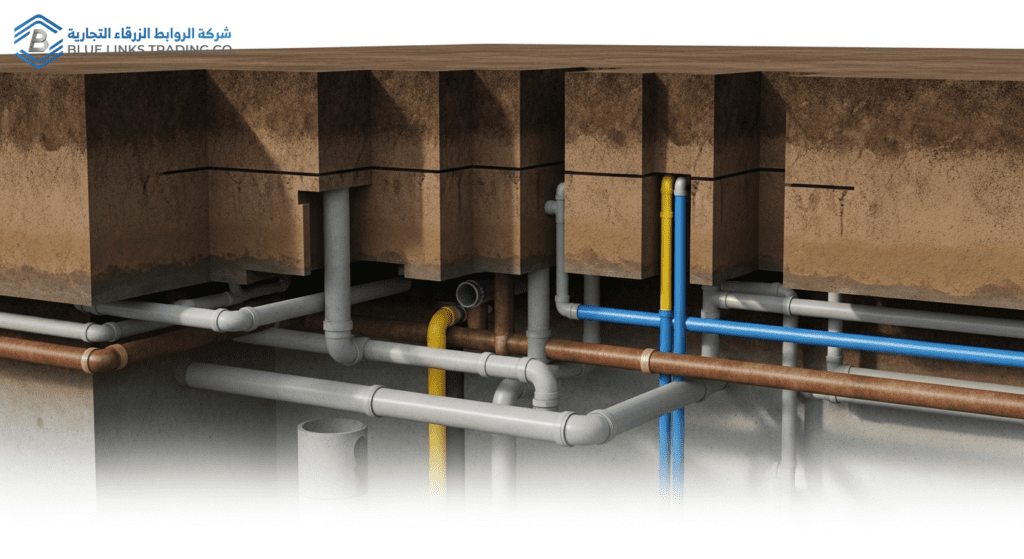
Precision is a defining advantage of Suction Excavation in Oil and Gas Sector workflows. Instead of removing large volumes of soil at once, suction excavation enables gradual material removal, making it easier to visually confirm asset locations as they are exposed. This controlled process supports verification against drawings and reduces reliance on assumptions about depth or alignment.
In projects where ground conditions are complex or documentation is incomplete, suction excavation is often combined with detection tools to enhance certainty. For example, integrating ground-penetrating radar with suction excavation allows teams to confirm asset positioning before and during excavation, further reducing the likelihood of unexpected encounters.
Supporting Operational Continuity and Reduced Downtime
Downtime is one of the most costly consequences of excavation-related incidents in oil and gas facilities. Unplanned shutdowns, permit revalidation, and emergency responses can quickly outweigh the direct cost of excavation itself. By lowering the probability of asset strikes and safety events, suction excavation helps maintain operational continuity.
This benefit is especially valuable in facilities where excavation windows are narrow and tied to strict production schedules. In such cases, using controlled methods like suction excavation supports predictable execution and aligns with broader reliability goals commonly reinforced through asset management frameworks adopted across the energy sector.
With the operational value of suction excavation established, the next step is understanding how specific MTS technologies—such as suction power, fan systems, and articulated arms—directly influence performance in oil and gas environments.
MTS Technologies That Matter in Oil, Gas, and Energy Operations
Once the operational value of Suction Excavation in Oil and Gas Sector projects is established, performance depends largely on how well the equipment’s technical features align with site realities. Oil and gas environments impose unique demands—greater depths, longer distances from access points, hazardous-area controls, and the need for stable performance over extended shifts. MTS suction excavators are engineered to address these conditions through a combination of suction power, airflow architecture, mechanical reach, and safety-focused control systems.
High Suction Power and Its Role in Controlled Excavation
In oil and gas facilities, excavation materials often vary from loose backfill to compacted soils and mixed debris layers. High and consistent suction power is critical to maintaining excavation precision without reverting to mechanical force. MTS systems deliver suction capacity exceeding 130 kg, enabling effective material removal even when soil conditions change across short distances.
This level of performance allows Suction Excavation in Oil and Gas Sector operations to proceed without frequent tool changes or manual intervention, which is particularly important when working near live pipelines or pressurized systems where repeated entry into the excavation zone increases risk.
Fan Technologies: Dual, Triple, and MegaVac Configurations
Different oil and gas scenarios require different airflow strategies. MTS suction excavators are available with multiple fan configurations designed to balance depth, distance, and material load:
Dual-fan systems are typically applied in medium-depth excavations where maneuverability and efficiency are prioritized. Triple-fan configurations extend effective suction distance and depth, making them suitable for congested facilities where access points are limited. For the most demanding conditions—such as deep excavations or long-distance material conveyance—MegaVac systems provide maximum airflow stability.
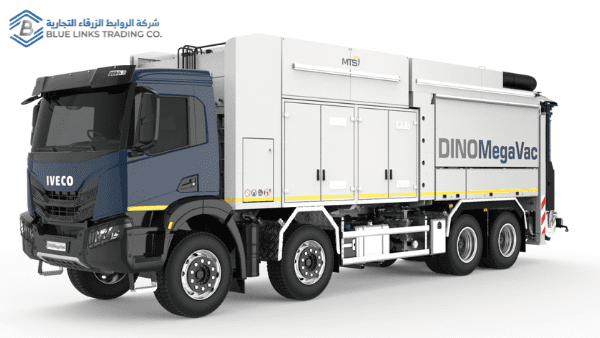
These configurations are commonly found across platforms such as the DINO TRIPLE suction excavator and the DINO MEGAVAC, both of which are designed to maintain consistent performance under heavy operational loads.
Articulated Arms for Access in Confined and Sensitive Areas
Access limitations are a defining constraint in oil and gas sites. Excavation often takes place between pipe racks, near foundations, or inside restricted zones where equipment positioning options are limited. MTS addresses this challenge through articulated arm systems that extend reach while preserving control.
POWERARM and EVOARM configurations allow operators to position the suction head accurately without repositioning the carrier unit. This capability supports Suction Excavation in Oil and Gas Sector tasks that require exposure beneath existing infrastructure or around fixed assets, reducing both setup time and site congestion.
Filtration, Automatic Cleaning, and Performance Stability
Oil and gas environments expose excavation equipment to fine particulates, moisture, and contaminants that can degrade performance if not managed properly. MTS suction excavators incorporate multi-stage filtration systems with automatic cleaning functions to maintain airflow efficiency throughout the operating cycle.
By stabilizing suction performance, these systems reduce the likelihood of unexpected slowdowns or manual maintenance interventions during critical excavation phases. This reliability is a key factor in maintaining predictable execution timelines in safety-sensitive projects.
Remote Control Systems and Operator Safety
Operator positioning plays a significant role in risk exposure during excavation. Remote control functionality allows operators to manage excavation activities from safer distances, particularly when working near hazardous zones or live energy infrastructure.
In Suction Excavation in Oil and Gas Sector applications, remote operation supports compliance with site safety rules while also improving visibility and precision. This combination reinforces the role of suction excavation as a controlled process rather than a proximity-dependent task.
With these technologies in place, selecting the appropriate MTS model becomes a strategic decision. The next section will outline how different MTS suction excavator models align with specific oil and gas operational scenarios.
Selecting the Right MTS Model for Oil and Gas Scenarios
Choosing the appropriate equipment is a decisive factor in the success of Suction Excavation in Oil and Gas Sector projects. Oil and gas sites differ widely in layout, access constraints, excavation depth, and material characteristics. As a result, model selection should be treated as an operational decision based on risk profile, distance requirements, and productivity targets—rather than a one-size-fits-all choice.
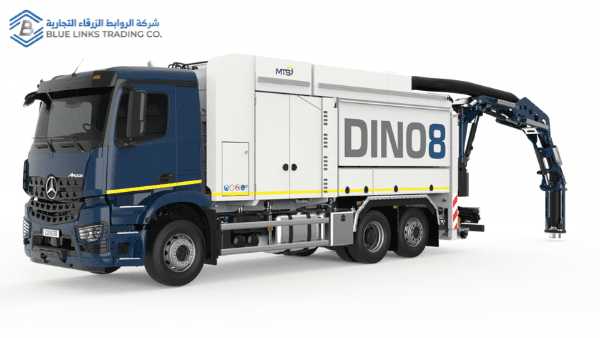
DINO 8: Balanced Performance for Medium-Duty Operations
For maintenance works, inspection pits, and controlled exposure tasks around live pipelines, the MTS DINO 8 suction excavator offers a strong balance between maneuverability and suction capacity. Its compact footprint allows access to constrained plant areas, while its airflow performance supports precise soil removal without excessive setup time.
This model is frequently suited to Suction Excavation in Oil and Gas Sector activities where operational flexibility is critical and excavation depths remain moderate, such as valve access, instrument line exposure, or localized repair work.
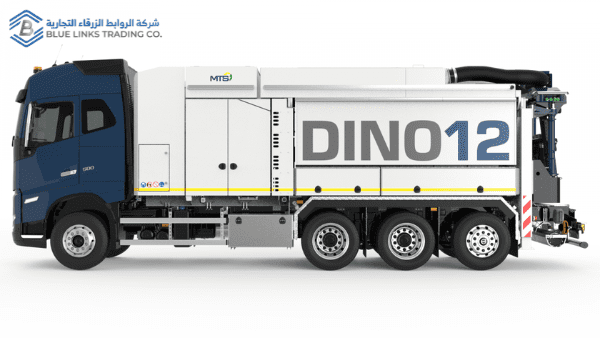
DINO 12: Higher Capacity for Extended Work Cycles
Projects involving larger excavation volumes or longer operating shifts benefit from increased material handling capacity. The MTS DINO 12 suction excavator is designed to deliver higher productivity while maintaining controlled excavation characteristics.
In oil and gas facilities where downtime must be minimized, the larger debris capacity and sustained airflow performance of DINO 12 help reduce unloading frequency and support more continuous excavation cycles.
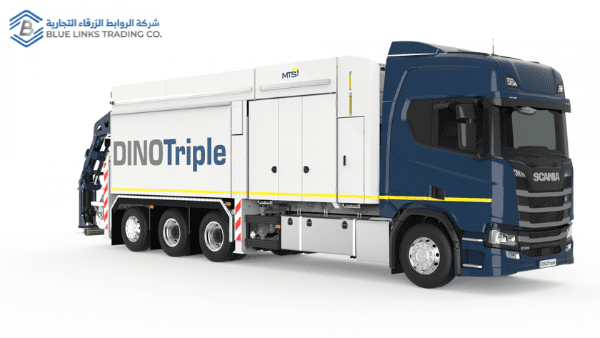
DINO TRIPLE: Extended Reach and Depth Capabilities
Some oil and gas sites impose access limitations that require excavation to be performed from greater distances or at increased depths. In these cases, triple-fan configurations become operationally significant. The DINO TRIPLE suction excavator is engineered to maintain airflow stability over extended distances, making it suitable for congested facilities or restricted-access zones.
This capability supports Suction Excavation in Oil and Gas Sector tasks where equipment placement options are limited, but precision and asset protection remain mandatory.
DINO MEGAVAC: Extreme-Duty Applications and Maximum Performance
For the most demanding scenarios—such as deep excavations, heavy materials, or long-distance conveyance—the DINO MEGAVAC provides maximum suction capacity and operational resilience.
In large-scale oil and gas projects, this model supports complex excavation requirements while preserving the non-destructive principles essential to safety-critical environments. Its performance profile makes it particularly suitable for infrastructure upgrades or major maintenance activities where conventional excavation would introduce unacceptable risk.
With model selection clarified, the practical value of suction excavation becomes most evident when viewed through real operational conditions. The following section presents a realistic Saudi-based use case illustrating how suction excavation is applied step by step within an active oil and gas environment.
Operational Use Case: Suction Excavation Inside an Active Saudi Oil Facility
To understand the practical value of Suction Excavation in Oil and Gas Sector environments, it is useful to examine a realistic on-site scenario typical of Saudi oil facilities. These projects are rarely executed in isolation; they unfold within operating plants where production continuity, safety compliance, and asset integrity must all be preserved simultaneously.
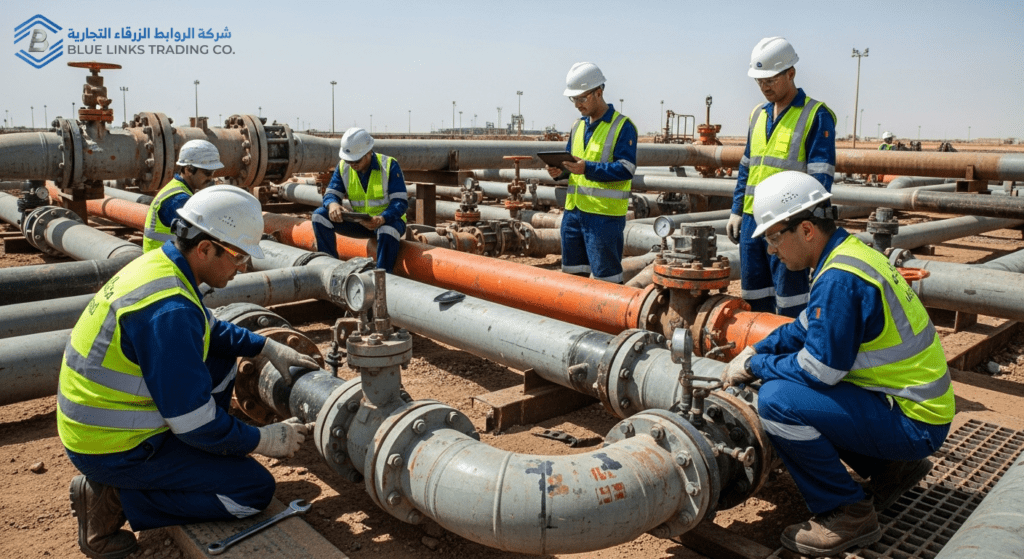
Consider a maintenance scope involving the inspection and upgrade of underground pipeline supports inside an active oil processing facility. The work area is located near live hydrocarbon lines, electrical conduits, and legacy foundations installed decades earlier. Shutting down the system is not operationally viable, and mechanical excavation is restricted due to vibration and strike risk.
Pre-Excavation Planning and Risk Controls
Before excavation begins, the site team conducts a detailed risk assessment aligned with established excavation risk management procedures. Utility records are reviewed, and detection surveys are completed to define expected asset locations. The excavation method is selected specifically to minimize interaction with live infrastructure.
Based on access constraints and expected excavation depth, an MTS suction excavator is positioned at a safe distance from the target zone. This setup allows the excavation head to reach the work area without placing heavy equipment directly above sensitive assets.
Controlled Soil Removal and Asset Exposure
Excavation proceeds gradually, with soil removed in thin layers rather than bulk cuts. This controlled approach enables continuous visual confirmation of underground assets as they are exposed. Unlike mechanical digging, suction excavation allows operators to stop instantly when unexpected materials or utilities are encountered.
Throughout the process, Suction Excavation in Oil and Gas Sector practices support a clean excavation zone. Spoil material is conveyed directly into the debris container, reducing ground clutter and improving overall site order—an important factor in facilities governed by strict housekeeping and safety standards.
Execution Under Live Operating Conditions
Because suction excavation does not rely on impact or cutting force, work continues without triggering additional permits or emergency isolation procedures. Operators maintain safe distances using remote control functionality, and the excavation progresses within the approved work window.
Once the required assets are fully exposed, inspection and maintenance activities proceed without delay. The excavation area remains stable and accessible, allowing teams to complete their scope efficiently and restore surface conditions with minimal rework.
Operational Outcomes and Measurable Benefits
The result of this approach is a measurable reduction in excavation-related risk, shorter execution timelines, and improved confidence among site stakeholders. For operators, the use of Suction Excavation in Oil and Gas Sector workflows translates into fewer disruptions, predictable outcomes, and better alignment with long-term reliability objectives.
As Saudi oil and gas projects continue to emphasize safety, efficiency, and asset longevity, such controlled excavation scenarios are becoming standard practice rather than exceptions.
In the next section, we will examine the broader operational and management-level benefits that suction excavation delivers across oil and gas projects, beyond individual site activities.
Operational and Management-Level Benefits of Suction Excavation
Beyond individual work zones and isolated tasks, the broader value of Suction Excavation in Oil and Gas Sector projects becomes most visible at the operational and management levels. In Saudi oil and gas environments, excavation decisions directly influence safety performance, schedule reliability, and cost predictability—factors that shape both daily operations and long-term asset strategies.
Enhanced Safety and Reduced Incident Probability
Safety remains the primary driver behind the adoption of suction-based excavation methods. By eliminating mechanical contact with buried assets, suction excavation significantly reduces the likelihood of pipeline strikes, electrical damage, or uncontrolled releases. This risk reduction is not theoretical; it directly supports compliance with site safety rules and lowers exposure during audits and inspections.
For management teams, applying Suction Excavation in Oil and Gas Sector practices strengthens safety metrics without adding procedural complexity. Excavation becomes a controlled activity rather than a high-risk exception, improving workforce confidence and reducing reliance on last-minute corrective controls.
Improved Scheduling and Fewer Work Interruptions
Unplanned delays are one of the most expensive consequences of excavation-related incidents. Mechanical digging often triggers additional permits, work stoppages, or revalidation processes when conditions change. Suction excavation minimizes these disruptions by enabling work to proceed under stable, pre-approved conditions.
In large facilities, this predictability supports tighter coordination between excavation activities and downstream tasks. As a result, Suction Excavation in Oil and Gas Sector workflows contribute to more reliable scheduling and reduced knock-on effects across maintenance or upgrade programs.
Higher Productivity with Controlled Resource Use
While suction excavation is sometimes perceived as a “careful” method, it often delivers higher net productivity in oil and gas environments. Reduced stoppages, cleaner work areas, and fewer corrective actions allow teams to complete scopes efficiently—even if soil removal itself is more deliberate.
Equipment selection also plays a role in productivity outcomes. Larger-capacity units reduce unloading frequency and support longer continuous work cycles, while consistent airflow performance minimizes slowdowns. These factors combine to make Suction Excavation in Oil and Gas Sector projects more predictable from a resource-planning perspective.
Support for Asset Integrity and Long-Term Reliability
Protecting underground infrastructure during excavation has implications beyond the immediate task. Avoiding minor, often undetected damage helps preserve asset integrity and extends service life. This aligns excavation practices with broader reliability and maintenance objectives.
Many operators integrate suction excavation into wider maintenance strategies that include condition monitoring and forward planning. When combined with structured programs such as predictive maintenance and regular equipment upkeep supported by suction excavator maintenance planning, excavation becomes part of a proactive asset-management approach rather than a reactive intervention.
Together, these operational and management-level benefits explain why suction excavation is increasingly specified at the planning
Frequently Asked Questions (FAQ)
Conclusion: A Practical Excavation Strategy for Saudi Oil and Gas Operations
Excavation inside oil and gas facilities is no longer evaluated solely on speed or cost. It is increasingly assessed through the lens of safety performance, risk exposure, and operational continuity. Within this context, Suction Excavation in Oil and Gas Sector applications represent a practical, field-proven alternative to traditional digging methods—one that aligns with the realities of live infrastructure and stringent safety requirements.
By enabling controlled soil removal, protecting underground pipelines, and supporting predictable execution, suction excavation transforms excavation from a high-risk activity into a managed operational process. For Saudi oil and gas projects, this shift reflects a broader move toward precision, reliability, and long-term asset protection across complex energy environments.
As facilities expand, age, and become more operationally interconnected, selecting the right excavation strategy becomes a strategic decision—not just a technical one. Integrating non-destructive excavation into project planning helps operators maintain service continuity, manage uncertainty, and deliver consistent outcomes without compromising safety.
📩 Speak with Specialists in Oil & Gas Suction Excavation
Organizations seeking to implement suction excavation within oil and gas operations benefit from working with partners who understand both the equipment and the sector’s operational demands. Through its role as a technical supplier and industry partner, Blue Links Trading Company supports the selection, deployment, and integration of MTS suction excavation solutions tailored to Saudi oil and gas environments.
With Blue Links Trading Company, suction excavation becomes a strategic enabler for safer execution, reduced operational risk, and long-term infrastructure protection across Saudi Arabia’s oil and gas sector.