

Hidden Procurement Risks Saudi Arabia Is Facing Today
Why Procurement Risks Saudi Arabia Projects Can No Longer Ignore

In today’s rapidly evolving infrastructure landscape, procurement is no longer a supporting function—it has become a critical driver of project success or failure. As mega projects accelerate across the Kingdom under Vision 2030, Procurement Risks Saudi Arabia are becoming more complex, less visible, and significantly more impactful.
The real challenge is that most of these risks do not appear at the beginning. On the surface, procurement processes may seem structured and under control. However, as projects move forward, hidden issues begin to emerge—delayed deliveries, inconsistent technical specifications, and fragmented communication between stakeholders.
According to insights highlighted by Saudi Vision 2030, the scale and speed of national development projects require highly coordinated supply chains and reliable sourcing strategies. Without this alignment, even well-planned projects can face unexpected disruptions.
This is where many organizations underestimate the real nature of procurement risks. It is not just about selecting suppliers—it is about managing an entire ecosystem of logistics, compliance, technical accuracy, and timing. A single weak point in this chain can cascade into delays, cost overruns, and operational inefficiencies.
Understanding Procurement Risks Saudi Arabia is no longer optional for project leaders. It is a strategic necessity. Companies that fail to identify and manage these risks early often find themselves reacting too late—when the cost of correction is already high.
Why Procurement Risks Saudi Arabia Are Increasing in Mega Projects

The scale of transformation happening in Saudi Arabia is unprecedented. From NEOM to large-scale infrastructure expansions, projects are becoming more complex, more integrated, and far more dependent on global supply chains. As a result, Procurement Risks Saudi Arabia are no longer isolated incidents—they are systemic challenges tied to the very nature of modern project execution.
One of the key drivers behind this increase is the growing number of stakeholders involved in each project. Contractors, subcontractors, international suppliers, logistics partners, and regulatory authorities all play a role in the procurement cycle. This multi-layered structure creates multiple points of vulnerability where delays or misalignment can occur.
In addition, many projects now rely on specialized equipment and advanced technologies that are not always available locally. For example, solutions like advanced suction excavation systems are often required for safe and non-destructive operations in dense infrastructure environments. While these technologies offer significant advantages, they also introduce new procurement challenges related to sourcing, shipping, and technical compatibility.
Another critical factor is the pressure to meet aggressive project timelines. With national initiatives moving at a rapid pace, procurement teams are often forced to make faster decisions, sometimes without full visibility into supplier capabilities or long-term risks. This urgency can lead to overlooked details that later evolve into major disruptions.
According to global infrastructure analysis by McKinsey & Company, large-scale projects frequently experience cost overruns and delays due to inefficiencies in supply chain coordination. In the Saudi context, where project scale is significantly larger, the impact of these inefficiencies becomes even more pronounced.
Ultimately, the increase in Procurement Risks Saudi Arabia is not accidental—it is a direct result of higher project ambition, deeper technical requirements, and more interconnected supply chains. Companies that recognize this shift early are better positioned to adapt, while others risk being overwhelmed by challenges they did not anticipate.
Hidden Procurement Risks That Most Companies Miss
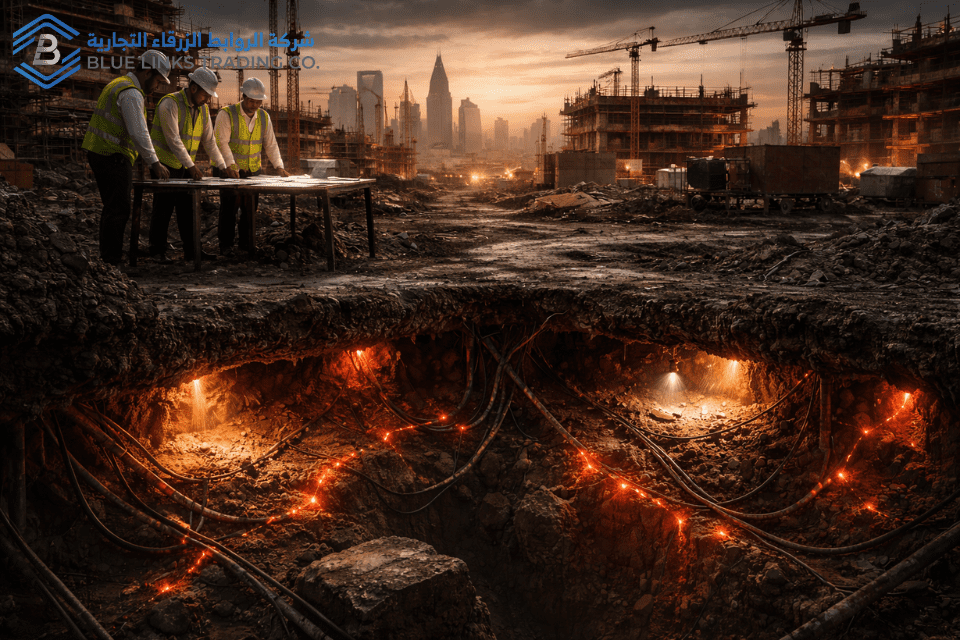
While many organizations focus on visible procurement challenges such as pricing and delivery timelines, the most damaging issues are often the ones that remain unnoticed until it is too late. These hidden layers of Procurement Risks Saudi Arabia are what truly disrupt mega projects and create long-term operational setbacks.
Supplier Reliability Risk
Selecting a supplier based on cost or availability alone can be misleading. In many cases, suppliers may initially appear capable but fail to maintain consistency under real project pressure. Delays in manufacturing, quality inconsistencies, or limited scalability can quickly turn a reliable vendor into a critical bottleneck.
Without a structured evaluation process and continuous performance monitoring, companies expose themselves to unpredictable disruptions that directly impact project timelines.
Logistics and Delivery Risk
Even when suppliers perform as expected, logistics can introduce another layer of complexity. International shipping delays, customs clearance issues, and coordination gaps between transport partners can significantly slow down project execution.
In large-scale infrastructure environments, where timing is tightly controlled, a delay in a single shipment can halt multiple downstream activities, amplifying the overall impact.
Technical Specification Mismatch
One of the most overlooked risks lies in technical misalignment between ordered equipment and actual project requirements. This is especially critical when dealing with advanced systems such as hydro and suction excavation technologies, where precision and compatibility are essential.
A minor deviation in specifications can result in operational inefficiencies, safety concerns, or even the need for complete rework—adding both time and cost to the project.
Compliance and Regulatory Risk
Saudi Arabia maintains strict regulatory standards for infrastructure, safety, and environmental impact. Failure to comply with these requirements can lead to project stoppages, legal penalties, or forced redesigns.
Many procurement teams underestimate the complexity of aligning international suppliers with local regulations, creating a gap that only becomes visible during execution.
Communication and Coordination Failure
In multi-stakeholder environments, communication gaps are one of the most common yet underestimated risks. Misalignment between procurement teams, contractors, and suppliers can lead to incorrect orders, duplicated efforts, or missed deadlines.
This issue becomes even more critical in mega projects where decisions are made across different teams, locations, and time zones.
These hidden dimensions of Procurement Risks Saudi Arabia highlight a critical reality: procurement is not just a transactional process—it is a complex, interconnected system where small failures can escalate into major project disruptions.
The Real Cost of Procurement Failure in Saudi Projects

When procurement fails, the impact is rarely limited to delayed deliveries or minor disruptions. In reality, Procurement Risks Saudi Arabia often translate into a chain reaction of consequences that affect every stage of the project lifecycle.
Project Delays and Timeline Disruptions
One of the most immediate outcomes of procurement failure is delay. When materials, equipment, or specialized systems do not arrive on time, entire workstreams can come to a halt. In tightly scheduled mega projects, even a short delay can cascade into weeks of lost productivity.
This is particularly critical in infrastructure projects where sequencing matters. A delay in one component often prevents multiple teams from progressing, creating a bottleneck that is difficult to recover from.
Cost Overruns and Budget Pressure
Procurement inefficiencies almost always lead to increased costs. Emergency sourcing, expedited shipping, and last-minute adjustments can significantly inflate budgets. What initially seemed like a cost-saving decision during supplier selection can quickly turn into a financial burden.
In many cases, companies are forced to reallocate resources or compromise in other areas just to maintain project momentum.
Rework and Technical Corrections
When delivered materials or equipment do not match project specifications, rework becomes unavoidable. This not only consumes additional time but also introduces operational risks. In complex environments, even minor technical mismatches can require extensive adjustments.
For example, improper planning in excavation activities—highlighted in excavation planning in Saudi Arabia—can lead to costly corrections that could have been avoided with proper procurement alignment.
Contractual Penalties and Legal Exposure
Delays and performance failures often trigger contractual penalties. In large-scale Saudi projects, where contracts are tightly structured, missing deadlines can result in financial penalties, reputational damage, and strained client relationships.
In more severe cases, procurement-related issues can escalate into legal disputes, especially when responsibilities between contractors and suppliers are not clearly defined.
Reputation and Long-Term Business Impact
Beyond immediate financial losses, procurement failure can damage a company’s reputation in the market. In a competitive environment like Saudi Arabia, where trust and reliability are key, repeated failures can affect future opportunities and partnerships.
Understanding the true cost of Procurement Risks Saudi Arabia goes beyond numbers—it is about recognizing how deeply procurement influences project success, operational efficiency, and long-term growth.
Why Traditional Procurement Models Fail in Saudi Mega Projects

Despite the increasing complexity of modern infrastructure projects, many organizations still rely on traditional procurement models that were designed for simpler, more predictable environments. In today’s context, these outdated approaches are one of the root causes behind escalating Procurement Risks Saudi Arabia.
Reactive Instead of Proactive Approach
Traditional procurement often operates in a reactive mode—responding to issues only after they occur. Teams focus on fulfilling immediate requirements without building long-term visibility into supplier performance, logistics risks, or potential disruptions.
In fast-paced Saudi mega projects, this approach is no longer sustainable. Delayed reactions mean lost time, increased costs, and reduced control over project outcomes.
Lack of Supply Chain Integration
Another major limitation is the fragmentation of procurement activities. Supplier selection, order management, logistics, and on-site execution are often handled as separate functions, with minimal integration between them.
However, effective procurement requires a fully connected system. Without integration, small misalignments between these stages can grow into significant operational challenges. This is why modern strategies such as supply chain management in mega projects have become essential for maintaining efficiency and control.
Limited Visibility and Data Utilization
Traditional models also suffer from a lack of real-time visibility. Decision-makers often rely on outdated or incomplete information when selecting suppliers or planning procurement schedules.
Without accurate data, it becomes difficult to anticipate risks or adjust strategies proactively. This creates blind spots that allow procurement issues to develop unnoticed until they impact the project.
Overemphasis on Cost Over Value
In many cases, procurement decisions are driven primarily by cost considerations. While cost efficiency is important, focusing solely on price can lead to selecting suppliers who are unable to meet long-term project demands.
A lower upfront cost may result in higher total project expenses when delays, quality issues, or rework are taken into account. This imbalance is a common contributor to Procurement Risks Saudi Arabia in large-scale developments.
Ultimately, traditional procurement models fail because they treat procurement as a transactional activity rather than a strategic function. In an environment as dynamic as Saudi Arabia’s infrastructure sector, success depends on adopting a more integrated, data-driven, and proactive approach.
How Strategic Procurement Reduces Risk in Saudi Projects
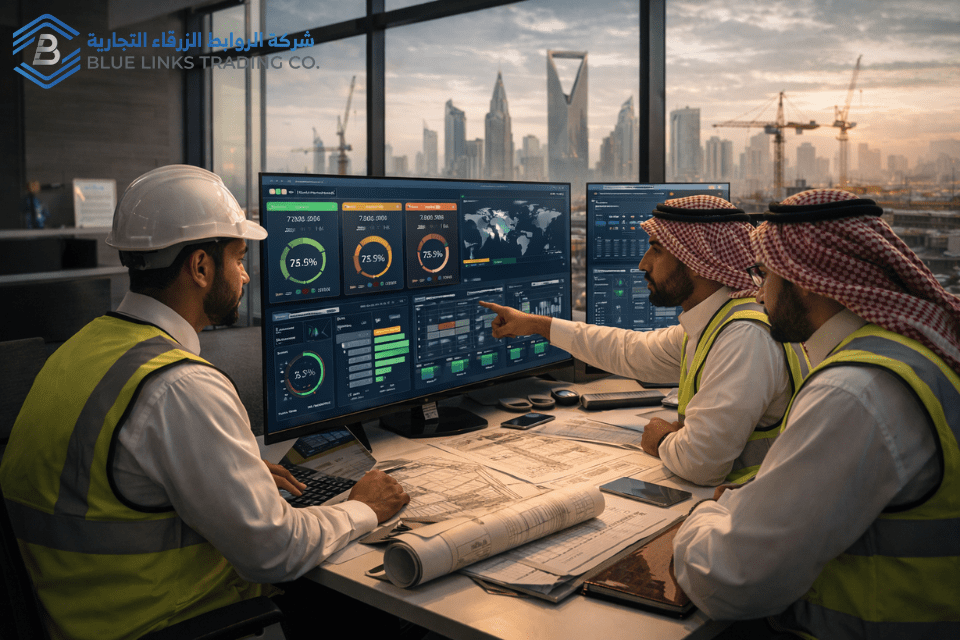
As project environments become more complex, companies are beginning to shift from traditional procurement methods to more strategic, integrated approaches. Instead of treating procurement as a standalone function, it is now seen as a critical system that connects planning, sourcing, logistics, and execution. This shift plays a key role in reducing Procurement Risks Saudi Arabia across large-scale projects.
End-to-End Procurement Visibility
One of the most important advantages of strategic procurement is full visibility across the entire supply chain. From supplier selection to final delivery, every stage is monitored, evaluated, and aligned with project requirements.
This level of transparency allows project teams to identify potential risks early—before they escalate into real problems—enabling proactive decision-making instead of reactive crisis management.
Supplier Evaluation Beyond Pricing
Strategic procurement focuses on long-term value rather than short-term cost savings. Suppliers are evaluated based on reliability, scalability, technical capability, and compliance with local regulations.
This approach ensures that selected partners can perform consistently under project pressure, reducing the likelihood of delays or quality issues.
Integrated Logistics and Coordination
Rather than treating logistics as a separate function, strategic procurement integrates transportation, customs clearance, and delivery coordination into one unified process. This reduces friction between different stages and ensures smoother project execution.
For example, understanding the full project procurement process helps align sourcing decisions with logistics realities, minimizing unexpected disruptions.
Risk Mitigation Through Planning and Control
Strategic procurement emphasizes risk identification and mitigation from the earliest stages of the project. Instead of reacting to issues, teams actively plan for potential disruptions, whether related to supply chain instability, technical requirements, or regulatory compliance.
This proactive mindset transforms procurement from a risk factor into a risk control mechanism, significantly improving project stability.
By adopting a strategic procurement model, companies can reduce uncertainty, improve efficiency, and gain greater control over project outcomes. In the context of Procurement Risks Saudi Arabia, this shift is no longer optional—it is essential for delivering projects on time, within budget, and according to required standards.
The BLTCO Approach to Managing Procurement Risks in Saudi Arabia

In response to the growing complexity of modern projects, leading organizations are no longer relying on traditional procurement structures. Instead, they are partnering with specialized providers who can manage procurement as a fully integrated system. This is where Blue Links Trading Company (BLTCO) introduces a more advanced approach to handling Procurement Risks Saudi Arabia.
From Supplier to Strategic Procurement Partner
Rather than operating as a conventional supplier, BLTCO positions itself as a strategic partner that manages the entire procurement lifecycle. This includes market analysis, supplier sourcing, technical evaluation, logistics coordination, and on-site support.
By covering all these stages, the company reduces fragmentation and ensures that every procurement decision is aligned with the overall project objectives.
Structured Supplier Selection and Evaluation
A key factor in minimizing procurement risks is selecting the right suppliers from the beginning. BLTCO follows a structured approach that evaluates suppliers based on performance history, technical capability, and ability to meet project-specific requirements.
This method significantly reduces the uncertainty associated with supplier reliability, which is one of the most critical aspects of Procurement Risks Saudi Arabia.
Continuous Monitoring and Expediting
Procurement does not end with placing an order. BLTCO maintains continuous oversight throughout manufacturing and delivery stages, ensuring that timelines are respected and any potential delays are addressed early.
This proactive monitoring approach minimizes disruptions and keeps projects moving according to plan, even in complex environments.
Integrated Logistics and On-Site Support
One of the defining strengths of BLTCO’s methodology is its ability to integrate logistics with on-site operations. From coordinating shipments to supporting installation and execution, the company ensures that procurement is fully aligned with real project conditions.
This is especially critical in projects that involve advanced solutions such as non-destructive excavation in Saudi airports, where precision, timing, and technical accuracy must all work together seamlessly.
Alignment with Saudi Market Requirements
Operating within the Saudi market requires deep understanding of local regulations, project standards, and operational expectations. BLTCO combines international expertise with local market knowledge to ensure full compliance and smooth execution.
This alignment reduces regulatory risks and enhances overall project reliability, making it a critical advantage in managing Procurement Risks Saudi Arabia.
By transforming procurement into a controlled, integrated, and strategically managed process, BLTCO helps organizations move from reactive problem-solving to proactive risk prevention—ultimately delivering more stable and successful project outcomes.
Real-World Scenario: When Procurement Fails vs When It Works

To truly understand the impact of Procurement Risks Saudi Arabia, it is important to move beyond theory and look at how these risks play out in real project environments. In many cases, the difference between project failure and success comes down to how procurement is managed from the beginning.
Scenario 1: Procurement Failure
In a large infrastructure project, a contractor selected a supplier based primarily on cost and availability. At first, everything appeared to be under control. However, as the project progressed, issues began to surface.
The supplier struggled to meet production timelines, resulting in delayed shipments. At the same time, minor inconsistencies in technical specifications required adjustments on-site. These issues, although seemingly small, quickly escalated into major disruptions.
Construction teams were forced to pause certain activities while waiting for replacements and corrections. As delays accumulated, the project timeline shifted, costs increased, and contractual pressure intensified. What started as a cost-saving decision turned into a high-risk situation driven by overlooked procurement factors.
Scenario 2: Strategic Procurement Success
In contrast, another project adopted a structured procurement strategy from the outset. Instead of focusing only on price, the project team prioritized supplier reliability, technical compatibility, and logistics coordination.
Every stage—from sourcing to delivery—was monitored closely. Potential delays were identified early and addressed before they impacted the project. Equipment and materials arrived aligned with project specifications, reducing the need for rework.
In this case, procurement acted as a stabilizing force rather than a source of risk. The project maintained its schedule, controlled costs, and avoided unnecessary disruptions.
These scenarios highlight a critical insight: Procurement Risks Saudi Arabia are not inevitable—they are manageable. The outcome depends largely on whether procurement is treated as a reactive process or a strategic system designed to anticipate and control risk.
Key Insights: Managing Procurement Risks in Saudi Arabia

After analyzing the different dimensions of Procurement Risks Saudi Arabia, several critical insights emerge that every project decision-maker should consider. These insights are not theoretical—they reflect real challenges observed across large-scale infrastructure projects.
Procurement Is a Strategic Function, Not a Transaction
Projects that treat procurement as a simple purchasing activity often face higher risks. In contrast, organizations that approach procurement as a strategic system achieve better control over timelines, costs, and quality.
Early Risk Identification Changes Everything
The earlier risks are identified, the easier they are to manage. Waiting until issues appear during execution significantly increases the cost and complexity of resolving them.
Supplier Selection Impacts Long-Term Performance
Choosing the right supplier is not just about immediate availability. It directly affects project continuity, operational efficiency, and the ability to meet deadlines under pressure.
Integration Across the Supply Chain Is Essential
Fragmented procurement processes create gaps that allow risks to grow unnoticed. Integrated systems that connect sourcing, logistics, and execution provide better visibility and control.
Technology and Specialized Solutions Reduce Uncertainty
Using advanced and reliable solutions—such as vacuum excavation equipment in Saudi Arabia—helps minimize operational risks, especially in complex environments where precision and safety are critical.
These insights reinforce a clear message: managing Procurement Risks Saudi Arabia requires a shift in mindset—from reactive problem-solving to proactive, structured risk management.
🟦 Frequently Asked Questions (FAQ)
⚡ Conclusion: Procurement Risks Define Project Success
In today’s high-stakes industrial landscape, procurement is no longer a background activity. It has become one of the most decisive factors in determining whether a project moves forward smoothly or faces costly disruption. As explored throughout this article, Procurement Risks Saudi Arabia are closely tied to supplier reliability, logistics performance, technical accuracy, and the ability to maintain control across the entire procurement cycle.
Projects rarely fail because of execution alone. In many cases, the real problems begin much earlier—during procurement planning, supplier coordination, or delivery management. What seems like a small oversight at the sourcing stage can evolve into delays, budget overruns, and operational inefficiencies later in the project.
Organizations that continue to rely on fragmented or reactive procurement models will find it increasingly difficult to manage modern infrastructure demands. By contrast, companies that adopt an integrated and structured procurement strategy gain stronger visibility, better control, and greater resilience under project pressure.
In fast-moving markets such as Saudi Arabia and the GCC, where project complexity continues to rise, working with experienced partners in
supply chain management in mega projects
can make a measurable difference in reducing uncertainty and improving delivery outcomes.
Blue Links Trading Company offers a more strategic approach to procurement management by combining technical expertise, supplier evaluation, logistics coordination, and local market understanding. This helps clients transform procurement from a potential risk point into a controlled and reliable system that supports long-term project success.
If your next project depends on speed, reliability, and execution confidence, the right results begin with a stronger procurement strategy.
With Blue Links Trading Company, you gain more than a supplier — you gain a strategic procurement partner capable of reducing complexity, minimizing risk, and supporting reliable project delivery across Saudi Arabia and the GCC.
Blue Links Trading Company — turning procurement risk into project confidence.