
Procurement Expediting: The Missing Link in Supply Chain Control and Cost Optimization
What Is Procurement Expediting?

In today’s industrial landscape, delays in procurement are no longer minor operational issues—they are critical risks that can disrupt entire projects. Whether in construction, infrastructure, or energy sectors, a single delay in supplier delivery or production processes can cascade into major financial and operational consequences.
This is where Procurement Expediting becomes essential. It is not simply about tracking orders; it is a structured management process designed to ensure that goods and services are delivered on time, aligned with project timelines, and compliant with contractual delivery requirements.
At its core, procurement expediting focuses on monitoring supplier performance, managing lead time, and preventing potential delays before they impact the overall supply chain. By identifying bottlenecks early and maintaining strong communication channels with suppliers, organizations can reduce the risk of supply chain disruptions and ensure timely deliveries across complex projects.
Definition of Expediting in the Procurement Process
Expediting is a critical part of the procurement process that involves proactive follow-up with suppliers to ensure that every purchase order progresses according to the agreed delivery date. This includes monitoring production processes, verifying readiness of materials, and coordinating logistics to guarantee the timely delivery of materials and equipment.
Unlike traditional procurement activities, expediting in procurement is a continuous process that requires real-time visibility into supplier operations. It relies heavily on collaboration with suppliers, performance tracking, and the ability to identify and address issues before they evolve into delays or disruptions.
Difference Between Procurement, Supply Chain, and Expediting
While procurement focuses on sourcing goods and services, and supply chain management oversees the entire flow from suppliers to delivery, expediting acts as the control mechanism that ensures everything stays on track. It bridges the gap between planning and execution by actively managing timelines, supplier commitments, and delivery performance.
In complex procurement environments, especially in large-scale infrastructure or industrial projects, expediting plays a vital role in maintaining alignment between procurement departments, project management teams, and suppliers. Without effective expediting, even the most well-planned procurement strategy can fail due to missed deadlines and poor coordination.
Why Procurement Expediting Is Critical for Project Success

In large-scale industrial environments, project success is directly tied to the ability to control time. Any delay in procurement activities—whether related to supplier performance, production processes, or delivery of materials—can immediately impact the critical path of the project and lead to serious operational disruptions.
Procurement Expediting plays a central role in preventing such failures. It ensures that every purchase order is actively monitored, every supplier commitment is validated, and every delivery date is aligned with the overall project management strategy. Without this level of control, projects become vulnerable to late deliveries, cost overruns, and contractual risks.
Impact of Delays on Projects and Supply Chain Performance
Even minor delays in the supply chain can trigger a chain reaction across the entire project. A single bottleneck in the delivery of critical items can affect inventory levels, disrupt production schedules, and delay the execution of dependent tasks.
In complex projects, especially in construction and infrastructure sectors, delays or disruptions are rarely isolated events. They often originate from weak coordination with suppliers, lack of visibility into production processes, or ineffective communication channels. This is why identifying potential delays before they impact operations is a fundamental objective of effective expediting.
The Role of On-Time Delivery in Procurement Efficiency
On-time delivery is not just a performance metric—it is a core requirement for maintaining an effective supply chain. When materials and equipment are delivered on time, project managers can maintain workflow continuity, avoid unnecessary downtime, and ensure that contractual delivery obligations are met.
Procurement expediting supports on-time delivery by continuously tracking supplier progress, managing lead time variations, and ensuring that goods and services are delivered in accordance with project deadlines. This proactive approach significantly reduces uncertainty and enhances the reliability of the entire procurement and supply chain system.
How Expediting Helps Reduce Cost and Operational Risk
One of the most overlooked benefits of procurement expediting is its ability to optimize cost while reducing operational risk. Delays often result in additional expenses, including idle labor, rescheduling costs, and penalties associated with missed deadlines.
Through effective expediting, organizations can streamline procurement activities, reduce bottlenecks, and ensure timely delivery of materials. This not only supports cost savings but also strengthens supplier relationship management by establishing clear expectations and consistent follow-up.
In high-risk environments, such as expediting in construction or large infrastructure projects, the ability to maintain control over timelines and supplier commitments becomes a strategic advantage. It allows procurement professionals and project managers to reduce the risk of supply chain disruptions and maintain full alignment with project objectives.
The Procurement Expediting Process Explained
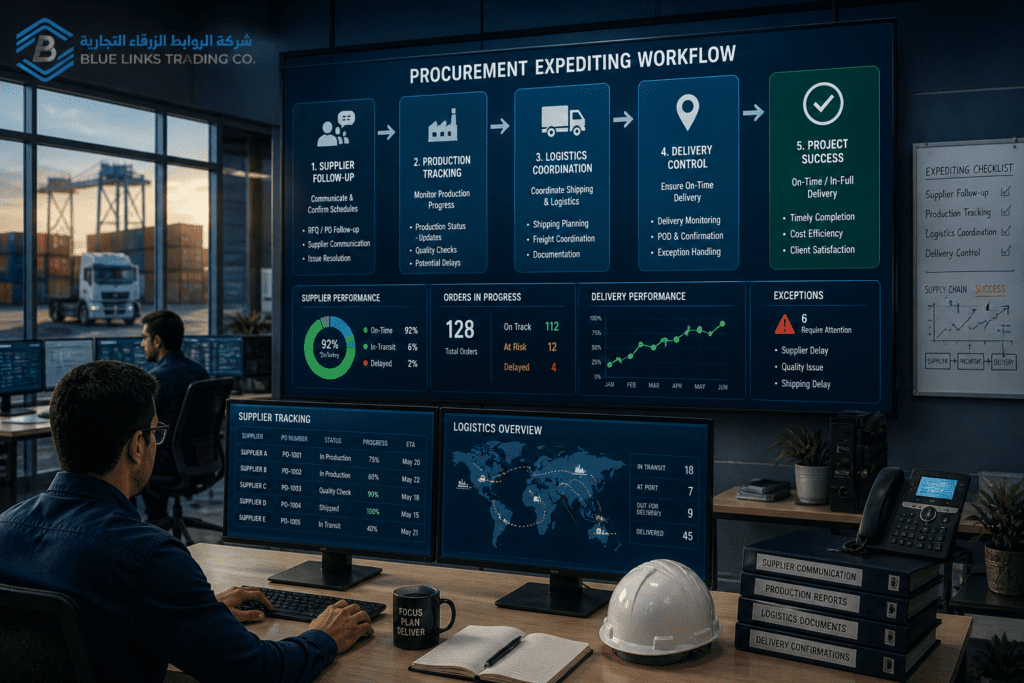
The procurement expediting process is a structured and continuous process designed to ensure that every stage of the procurement process—from purchase order issuance to delivery of materials—is executed without delays or disruptions. It is not a passive activity; rather, it is an active control mechanism embedded within the overall project management and supply chain management framework.
Effective Procurement Expediting relies on real-time visibility, proactive communication, and the ability to identify and address potential delays before they escalate into critical bottlenecks. This is especially important in complex projects where multiple suppliers, production processes, and delivery schedules must be aligned precisely.
Supplier Follow-Up and Performance Monitoring
The first step in the expediting process involves continuous follow-up with each supplier to ensure that all commitments related to the purchase order are being met. This includes monitoring supplier performance, verifying production progress, and ensuring that contractual delivery requirements are clearly understood and followed.
Strong supplier relationship management is essential at this stage. Maintaining clear communication channels and consistent collaboration with suppliers allows procurement professionals to quickly identify risks, address delays, and maintain control over delivery timelines. In many cases, proactive engagement with suppliers can prevent potential delays before they impact the project schedule.
Production Tracking and Lead Time Control
Tracking production processes is a core component of effective expediting. It ensures that equipment or materials are manufactured according to schedule and that any deviations in lead time are immediately detected and addressed.
Organizations that implement advanced monitoring systems, including digital tools and supply chain management platforms, gain better control over production timelines and inventory levels. This level of visibility allows teams to streamline operations, reduce uncertainty, and ensure that goods and services move efficiently through the supply chain.
For a deeper understanding of how procurement stages align with project timelines, explore this detailed breakdown of the project procurement process, which highlights how expediting integrates into each phase.
Logistics Coordination and Delivery Control
Once production is completed, the focus shifts to logistics coordination and ensuring that delivery occurs according to the agreed delivery date. This includes managing transportation, verifying shipment readiness, and ensuring that materials are delivered on time without disruptions.
Delays at this stage can result in significant supply chain disruptions, especially when dealing with critical items required for ongoing operations. This is why expediters must actively coordinate with logistics providers and monitor every step of the delivery process.
Efficient coordination between procurement and logistics is essential to achieving on-time delivery. You can learn more about this integration through procurement logistics coordination, which explains how synchronized operations improve overall delivery performance.
Ensuring Timely Deliveries in Complex Projects
In complex procurement environments, ensuring timely deliveries requires more than tracking—it requires a proactive and strategic approach. Expediting teams must continuously monitor progress, anticipate delays or disruptions, and implement corrective actions before issues escalate.
In large-scale industrial and infrastructure projects, where timelines are tightly controlled, expediting becomes a critical part of the management system. It supports project managers in maintaining workflow continuity, reducing supply chain risk, and ensuring that all materials are delivered on time in alignment with project deadlines.
According to global best practices highlighted by the PwC industrial manufacturing insights, proactive supply chain monitoring and expediting significantly enhance operational efficiency and reduce the risk of delays in complex projects.
Common Expediting Challenges and How to Overcome Them
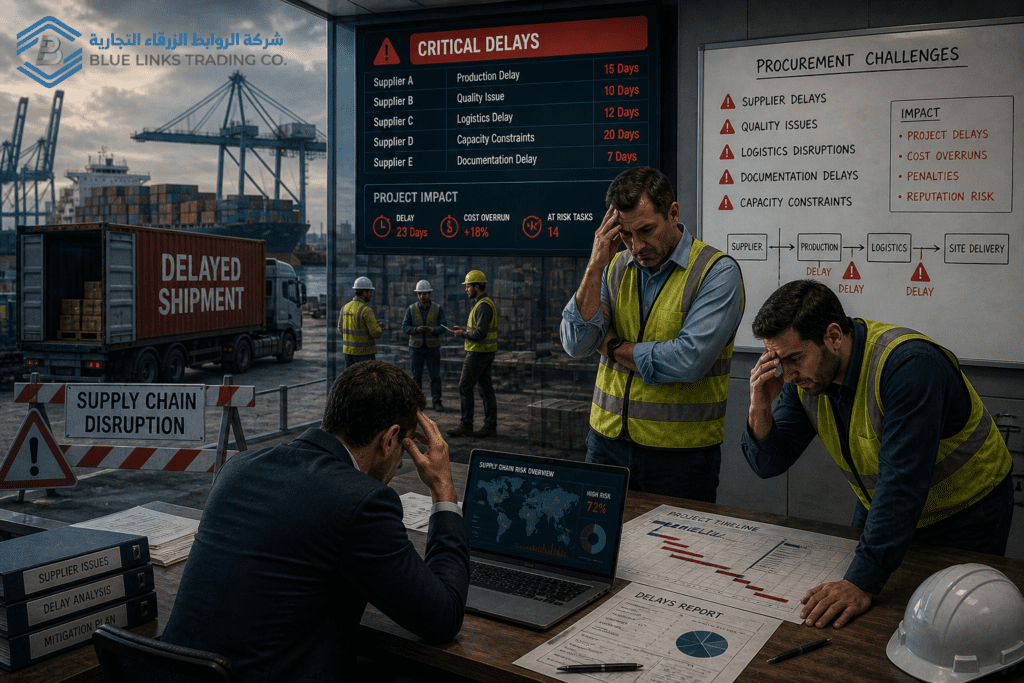
Despite the importance of Procurement Expediting, many organizations struggle to maintain consistent performance due to operational complexities, limited visibility, and weak coordination across the supply chain. These challenges often lead to delays or disruptions that directly impact project timelines and overall efficiency.
Understanding these challenges is the first step toward building a proactive expediting strategy capable of ensuring timely deliveries and reducing the risk of project failure.
Managing Potential Delays in Procurement Activities
One of the most critical challenges in expediting is managing potential delays before they affect the delivery of materials. Delays can originate from multiple sources, including supplier performance issues, disruptions in production processes, or unexpected changes in delivery schedules.
To overcome this, procurement teams must adopt a proactive approach by continuously identifying potential bottlenecks and monitoring key milestones. Early detection allows expediters to take corrective actions, such as adjusting timelines, coordinating with suppliers, or reallocating resources to maintain project continuity.
A deeper look at how delays impact projects can be found in this analysis of
project procurement delays, which highlights the real consequences of weak expediting strategies in industrial environments.
Handling Complex Procurement Environments
In large-scale and complex procurement scenarios, managing multiple suppliers, contracts, and delivery schedules becomes increasingly challenging. Complex projects often involve critical items with strict delivery dates, making any disruption a serious risk to the overall project management process.
Effective expediting in such environments requires centralized procurement strategies, strong coordination between procurement departments, and clear prioritization based on criticality. By focusing on high-risk items and maintaining structured workflows, organizations can reduce uncertainty and improve delivery performance.
To better understand the risks associated with large-scale procurement operations, refer to this resource on procurement risks in Saudi Arabia, which explains how complexity can impact supply chain stability.
Communication Gaps with Suppliers and Teams
Poor communication is one of the most common causes of delays in the expediting process. When communication channels between suppliers, procurement teams, and project managers are not clearly defined, critical information can be delayed or lost, leading to missed deadlines and late deliveries.
Establishing structured communication channels and maintaining consistent collaboration with suppliers are essential to ensuring smooth operations. This includes regular status updates, transparent reporting, and clearly defined responsibilities for each stakeholder involved in the procurement and supply process.
Modern procurement organizations are increasingly adopting digital tools and management systems to improve communication and visibility. According to insights from the McKinsey supply chain research, companies that invest in advanced supply chain coordination systems significantly reduce delays and improve overall operational performance.
Best Practices to Optimize Procurement Processes
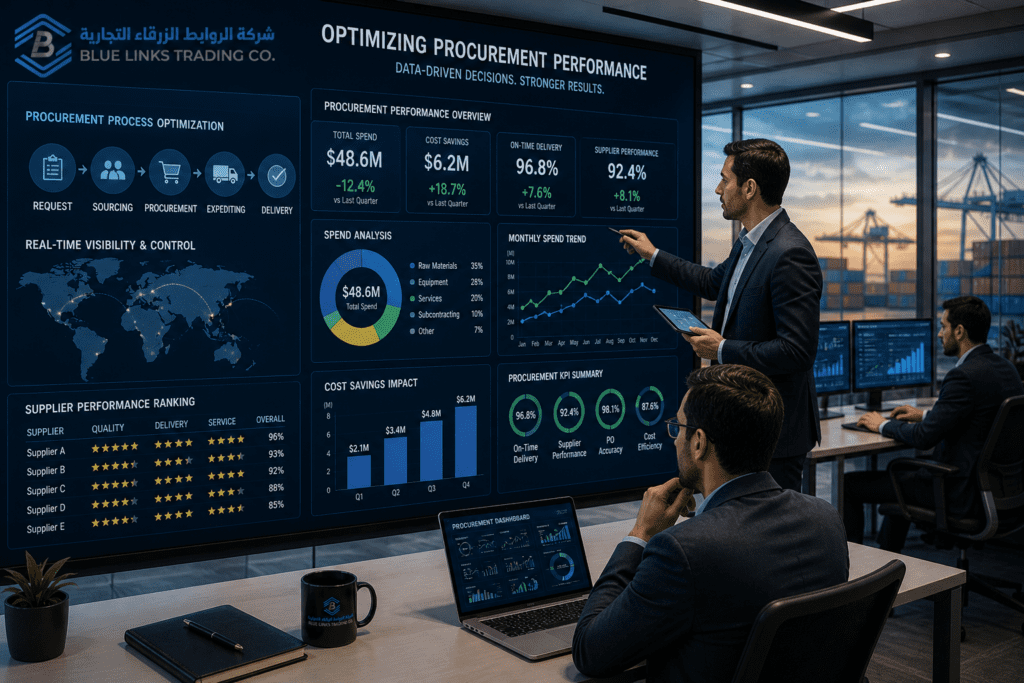
Achieving consistent success in Procurement Expediting requires more than reactive problem-solving. It demands a structured approach built on optimization, visibility, and continuous improvement across the entire procurement process and supply chain.
Organizations that focus on optimizing procurement processes are better positioned to reduce delays, control cost, and ensure timely deliveries even in complex projects. This involves aligning procurement professionals, suppliers, and logistics operations under a unified management system.
Optimize Cost Without Compromising Delivery Performance
Cost optimization in procurement is not about selecting the lowest supplier price—it is about balancing cost with reliability, lead time, and delivery performance. Poor decisions at this stage often result in late deliveries, increased operational expenses, and disruptions in project timelines.
Effective expediting helps organizations optimize cost by reducing inefficiencies, preventing delays or disruptions, and ensuring that goods and services are delivered according to contractual delivery requirements. This approach leads to measurable cost savings while maintaining quality and performance standards.
Streamline the Procurement Process for Efficiency
One of the most effective ways to improve procurement performance is to streamline workflows and eliminate unnecessary steps in the procurement process. This includes automating purchase order tracking, improving coordination between procurement departments, and reducing manual intervention.
By implementing streamlined processes, organizations can minimize bottlenecks, improve delivery timelines, and enhance overall supply chain efficiency. Advanced tools such as
procurement logistics coordination solutions play a key role in aligning procurement and logistics activities for better results.
Leverage Data and Analytics for Better Decision-Making
Data-driven decision-making is a critical factor in modern procurement and supply chain management. By analyzing supplier performance, tracking inventory levels, and monitoring delivery trends, organizations can identify weaknesses and take proactive corrective actions.
Procurement professionals who leverage analytics are better equipped to identify potential delays before they impact operations, improve supplier selection strategies, and maintain consistent delivery of materials across projects.
Global research from the
World Bank supply chain insights highlights that organizations using advanced analytics and digital supply chain systems achieve higher efficiency and stronger resilience against supply chain disruptions.
Adopt a Proactive Procurement Strategy
A proactive approach is essential for successful expediting. Instead of reacting to issues after they occur, leading organizations continuously monitor supplier activities, forecast potential risks, and adjust their strategies accordingly.
This proactive mindset allows teams to identify and address risks early, maintain alignment with project deadlines, and ensure that materials and equipment are delivered on time. It also strengthens collaboration with suppliers and enhances overall supply chain stability.
The Role of Suppliers in Successful Expediting

The effectiveness of Procurement Expediting depends heavily on the quality of collaboration with suppliers. No matter how advanced the procurement process is, weak supplier coordination can lead to delays, missed delivery dates, and disruptions across the entire supply chain.
In modern industrial environments, suppliers are not just vendors—they are strategic partners in ensuring the timely delivery of materials and the success of complex projects. This is why supplier performance and relationship management play a critical role in successful expediting.
Supplier Relationship Management as a Strategic Advantage
Strong supplier relationship management enables procurement teams to build long-term partnerships based on trust, transparency, and accountability. These relationships improve communication channels, enhance responsiveness, and allow faster resolution of potential delays or disruptions.
When organizations maintain strong relationships with suppliers, they gain better visibility into production processes and delivery schedules. This allows expediters to identify and address risks early, ensuring that materials are delivered on time and aligned with project deadlines.
Improving Supplier Performance and Delivery Reliability
Monitoring and improving supplier performance is essential for achieving consistent on-time delivery. This involves tracking key performance indicators such as lead time accuracy, adherence to delivery dates, and quality of goods and services provided.
Organizations that actively manage supplier performance are better equipped to reduce late deliveries, maintain stable inventory levels, and ensure the continuous flow of materials across the supply chain.
To explore how supplier coordination impacts large-scale operations, review this resource on supply chain management in mega projects, which explains the importance of supplier alignment in complex environments.
Collaboration and Communication Across the Supply Chain
Effective collaboration with suppliers is a cornerstone of successful expediting. This requires establishing structured communication channels, sharing real-time updates, and maintaining alignment between procurement departments, suppliers, and project managers.
When communication is clear and consistent, organizations can quickly respond to changes, mitigate supply chain disruptions, and maintain control over delivery timelines. This level of coordination is especially critical in expediting in construction and other high-risk industrial sectors.
According to insights from the McKinsey operations research, organizations that invest in supplier collaboration and digital communication tools achieve significantly higher supply chain efficiency and reliability.
How to Ensure On-Time Delivery in Supply Chains

Ensuring on-time delivery in today’s complex supply chain environments is one of the biggest challenges facing procurement professionals and project managers. Delays in the delivery of materials can disrupt the entire project timeline, increase operational costs, and create unnecessary pressure on procurement departments.
This is where Procurement Expediting becomes a critical control mechanism. It enables organizations to maintain visibility, reduce uncertainty, and ensure that all goods and services are delivered on time in alignment with project deadlines.
Proactive Planning and Early Risk Identification
Proactive planning is the foundation of ensuring timely deliveries. Instead of reacting to delays after they occur, leading organizations continuously monitor supplier performance, production processes, and lead time variations to identify potential delays before they impact operations.
By identifying potential bottlenecks early, expediters can implement corrective actions, adjust schedules, and coordinate with suppliers to maintain steady progress. This approach helps reduce the risk of disruptions and ensures that materials are delivered according to the planned delivery date.
Improving Supply Chain Coordination and Visibility
Strong coordination across the supply chain is essential to maintaining delivery performance. This includes aligning procurement teams, suppliers, logistics providers, and project managers under a unified management process.
Organizations that invest in supply chain visibility tools and integrated systems are better equipped to track orders, monitor inventory levels, and manage the delivery of materials efficiently. This level of coordination significantly improves the reliability of the procurement process and ensures timely delivery of materials and equipment.
For deeper insights into how coordination improves performance, explore supply chain management in mega projects, which demonstrates how integrated operations reduce delays and improve execution.
Reducing Communication Gaps Across Procurement Teams
Communication gaps between procurement teams, suppliers, and project stakeholders are a major source of delays in many projects. Without clear communication channels, critical information about delivery status, production updates, and potential delays may not reach decision-makers on time.
Establishing structured communication frameworks and ensuring continuous collaboration with suppliers allows procurement professionals to respond quickly to changes and maintain alignment across all stakeholders.
According to research by the PwC supply chain operations report, organizations that enhance communication and coordination within their supply chain significantly improve delivery reliability and reduce operational risks.
Ensuring Timely Delivery in Complex Projects
In complex projects, where multiple suppliers and critical items are involved, ensuring timely delivery requires continuous monitoring and strict adherence to project schedules. Expediting teams must actively track every purchase order, verify supplier commitments, and ensure that all materials are delivered on time.
By integrating expediting into the overall project management strategy, organizations can maintain control over deadlines, improve supplier performance, and ensure that all materials and equipment are delivered on time without disruptions.
Empowering the Procurement Team for Better Results
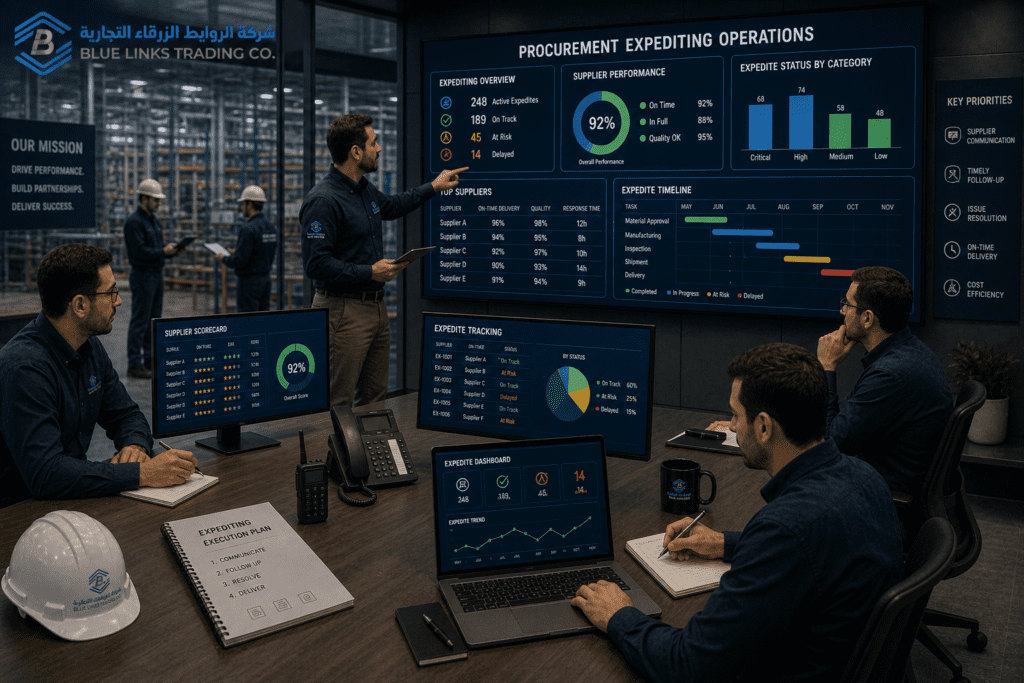
The success of Procurement Expediting is not only dependent on systems and processes, but also on the capabilities of the procurement team. Skilled procurement professionals play a critical role in managing supplier relationships, controlling delivery timelines, and ensuring that all procurement activities are aligned with project objectives.
Organizations that invest in empowering their procurement teams gain a significant advantage in managing complex procurement environments, reducing delays, and improving overall supply chain performance.
Strengthening Procurement Team Capabilities
Building a high-performing procurement team requires continuous development of both technical and strategic skills. This includes understanding the procurement process, mastering supplier negotiation, and effectively managing purchase orders and contractual delivery requirements.
Procurement professionals must also be equipped with the tools and knowledge needed to identify and address risks early, manage supplier performance, and ensure that all materials are delivered on time according to project deadlines.
Enhancing Collaboration Across Departments
Effective expediting requires close coordination between procurement departments, project management teams, and logistics functions. When internal collaboration is strong, organizations can reduce communication gaps, streamline workflows, and maintain full alignment across all stakeholders.
This collaboration is particularly important in complex projects where multiple teams are involved in managing goods and services, supplier relationships, and delivery schedules.
Continuous Improvement in Procurement Operations
Procurement is not a one-time activity—it is a continuous process that requires regular evaluation and improvement. Organizations that continuously review their procurement and supply strategies are better positioned to optimize cost, improve efficiency, and ensure timely deliveries.
By implementing structured management systems and leveraging data insights, procurement teams can improve decision-making, reduce bottlenecks, and enhance the overall effectiveness of the expediting process.
🟦 Frequently Asked Questions (FAQ)
⚡ Conclusion: Procurement Expediting as a Strategic Advantage
In today’s fast-paced industrial environment, Procurement Expediting is no longer a secondary function—it is a strategic necessity. As highlighted throughout this article, controlling procurement timelines directly impacts project success, cost efficiency, and supply chain stability.
Projects rarely fail during execution alone. In most cases, the real challenges begin earlier—within supplier coordination, production processes, or delivery planning. What appears to be a minor delay can quickly escalate into late deliveries, cost overruns, and supply chain disruptions.
Organizations that treat procurement as a passive function often struggle to maintain control. In contrast, companies that adopt structured expediting strategies gain stronger visibility, improved supplier performance, and the ability to ensure timely delivery of materials across complex projects.
In rapidly evolving markets like Saudi Arabia and the GCC, where infrastructure and industrial projects demand precision, integrating expediting into your strategy is no longer optional. Explore how modern approaches to
industrial procurement in Saudi Arabia
can transform procurement performance and reduce operational risks.
Blue Links Trading Company delivers a strategic approach to procurement expediting by combining supplier expertise, advanced monitoring systems, and deep knowledge of regional markets. This enables clients to turn procurement challenges into controlled, efficient processes that support long-term project success.
If your next project depends on speed, accuracy, and execution confidence, the right results begin with stronger control over procurement timelines.
With Blue Links Trading Company, you gain more than a service provider—you gain a strategic procurement partner capable of reducing delays, optimizing cost, and ensuring reliable project delivery across Saudi Arabia and the GCC.
Blue Links Trading Company — turning procurement complexity into project certainty.